Garni Temple, Geghard Monastery, the Symphony of Stones, Lake Sevan and Sevanavank, Dilijan’s old street, the Mimino Monument and Haghartsin in one full itinerary.
Duration is approximate. The order and timing of stops may change according to traffic, weather and site opening arrangements.
Included
Transport along the selected route in an agreed vehicle
Drinking water in every vehicle
Organisation of the visits and stops listed in the programme
Not included
Admission to Garni Temple and the Symphony of Stones
Boat or motorboat trips on Lake Sevan
Dilijan museums and paid craft-workshop programmes
Meals and other drinks along the route; drinking water in the vehicle is included
A separate guide or interpreter unless specifically confirmed in the package
Personal purchases and souvenirs
An additional service is included only when selected and confirmed in your final package. The vehicle, departure and return points, and access to sites are agreed before booking.
Tour itinerary
01
Garni Temple
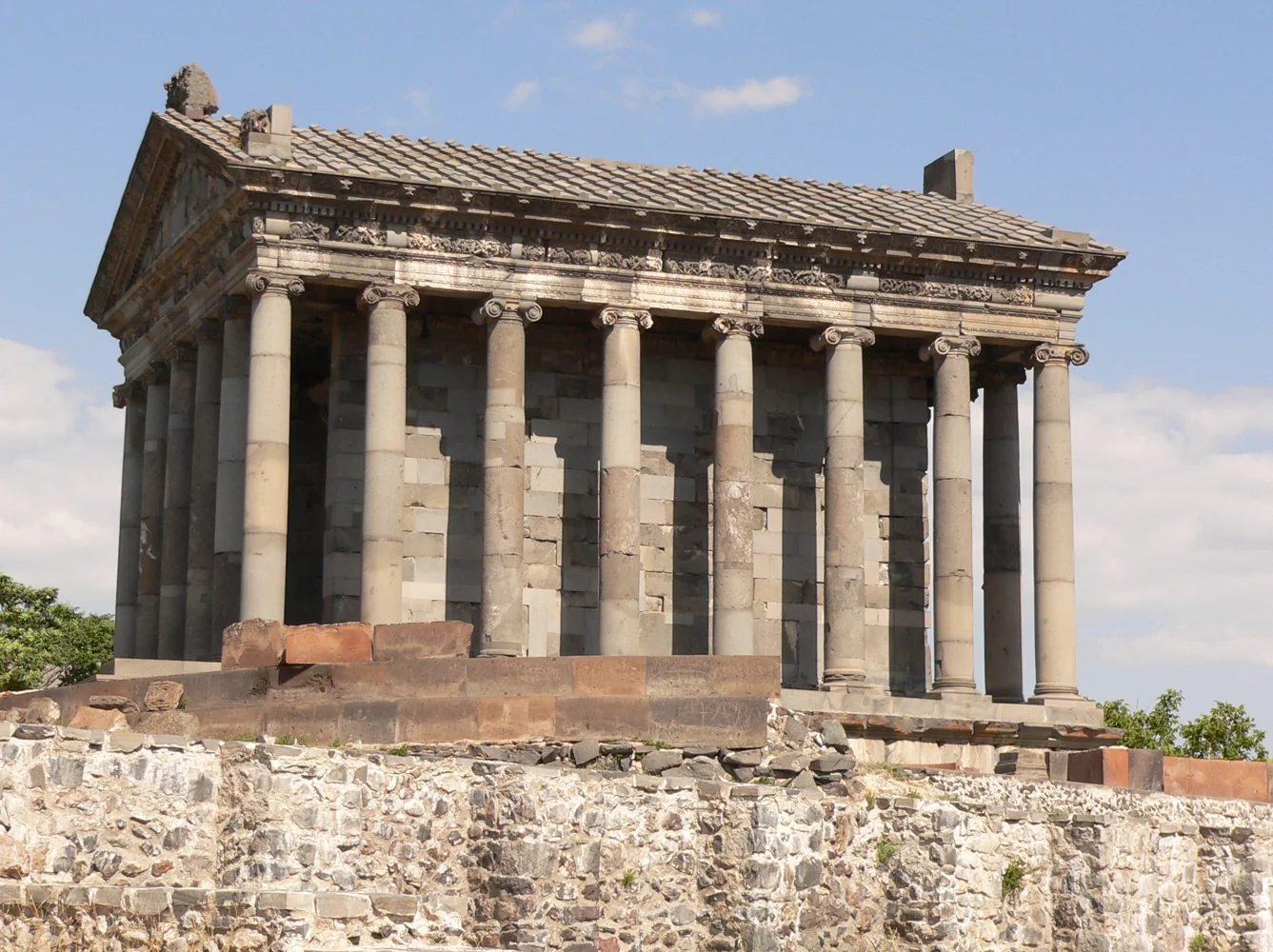
Garni introduces Armenia’s pre-Christian heritage through a Greco-Roman-style colonnade overlooking the Azat Gorge. The grounds also contain remains of an ancient fortress and royal baths. Take care on the temple’s tall steps. Explore the grounds of Garni Temple, its stone colonnade and mountain views. There is time to walk around and take photographs.
Look closely at the proportions of the columns and carved cornices, which contrast with the Christian monasteries on this route. Walk around the temple before visiting the gorge viewpoints to appreciate how the building relates to its landscape.
02
Geghard Monastery
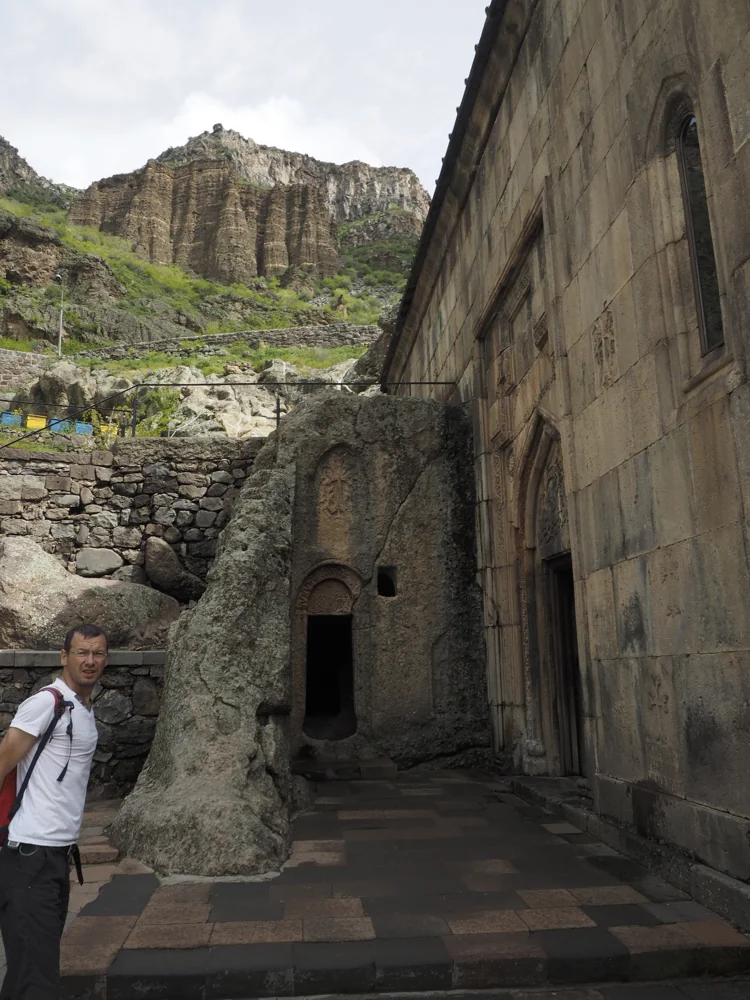
Parts of Geghard are carved directly into the cliff, with sculpted entrances, khachkars and resonant stone chambers. Its name refers to the spear remembered in Christian tradition. Respectful clothing and quiet behaviour are appropriate at this active religious site. Walk through Geghard Monastery and its rock-carved chambers. The stop combines architecture with the scenery of the gorge.
Geghard and the Upper Azat Valley are a UNESCO World Heritage property. Compare the freestanding church buildings with the rock-carved rooms: changing light, the texture of the stone and the acoustics give each space a distinct character.
03
Symphony of Stones
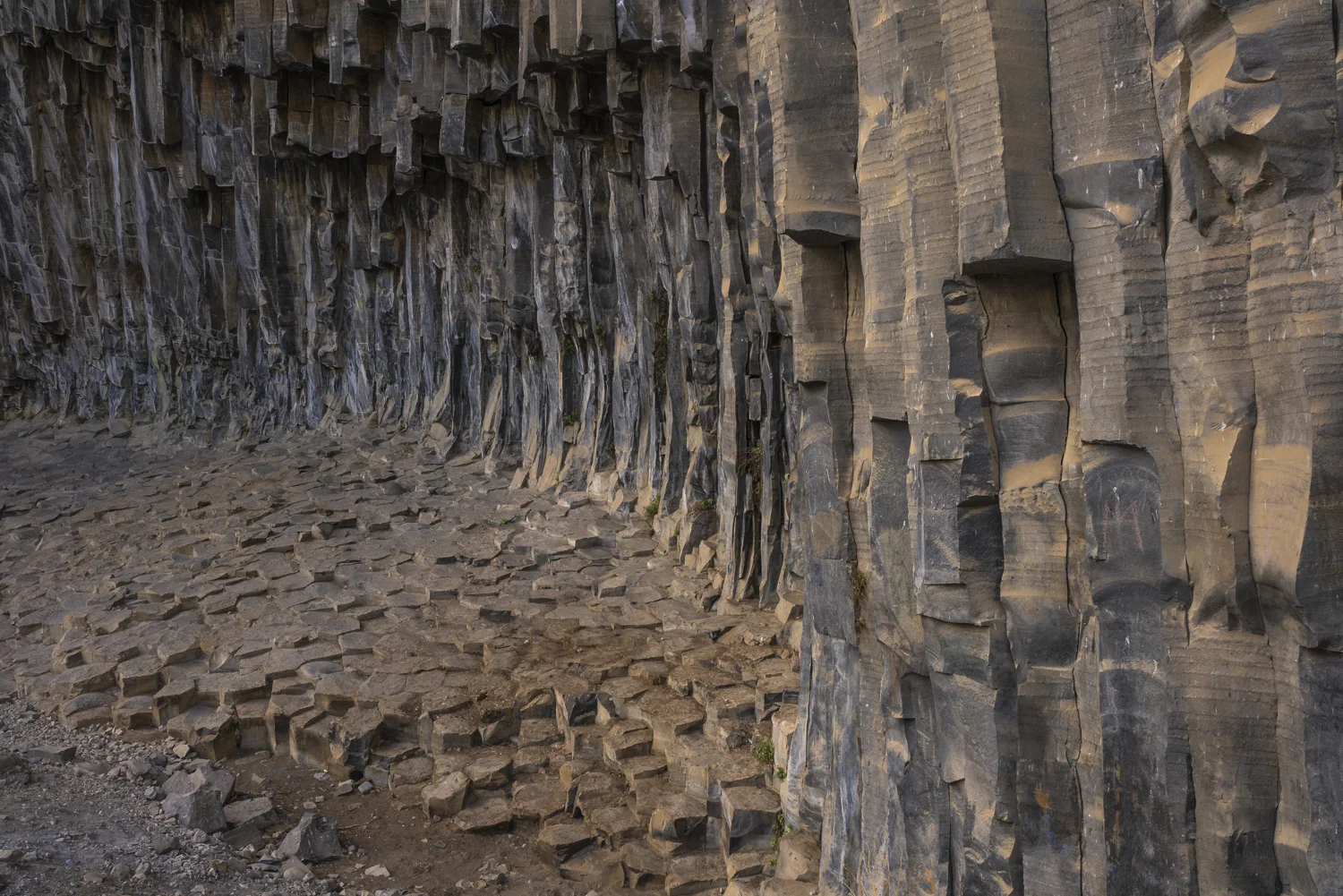
These polygonal basalt columns formed as volcanic lava cooled, creating shapes resembling a giant pipe organ. The path below the cliffs offers changing views of the Azat River gorge. Comfortable shoes with good grip suit the walk. Visit the basalt columns of the Symphony of Stones in the Azat Gorge. This stop includes a walk and time for photographs.
The columns vary along the gorge, forming vertical, leaning and curved arrangements. Step back from the rock face for a photograph that captures the scale of the stone “organ”. The visit follows the walking path and does not involve climbing the columns.
04
Lake Sevan
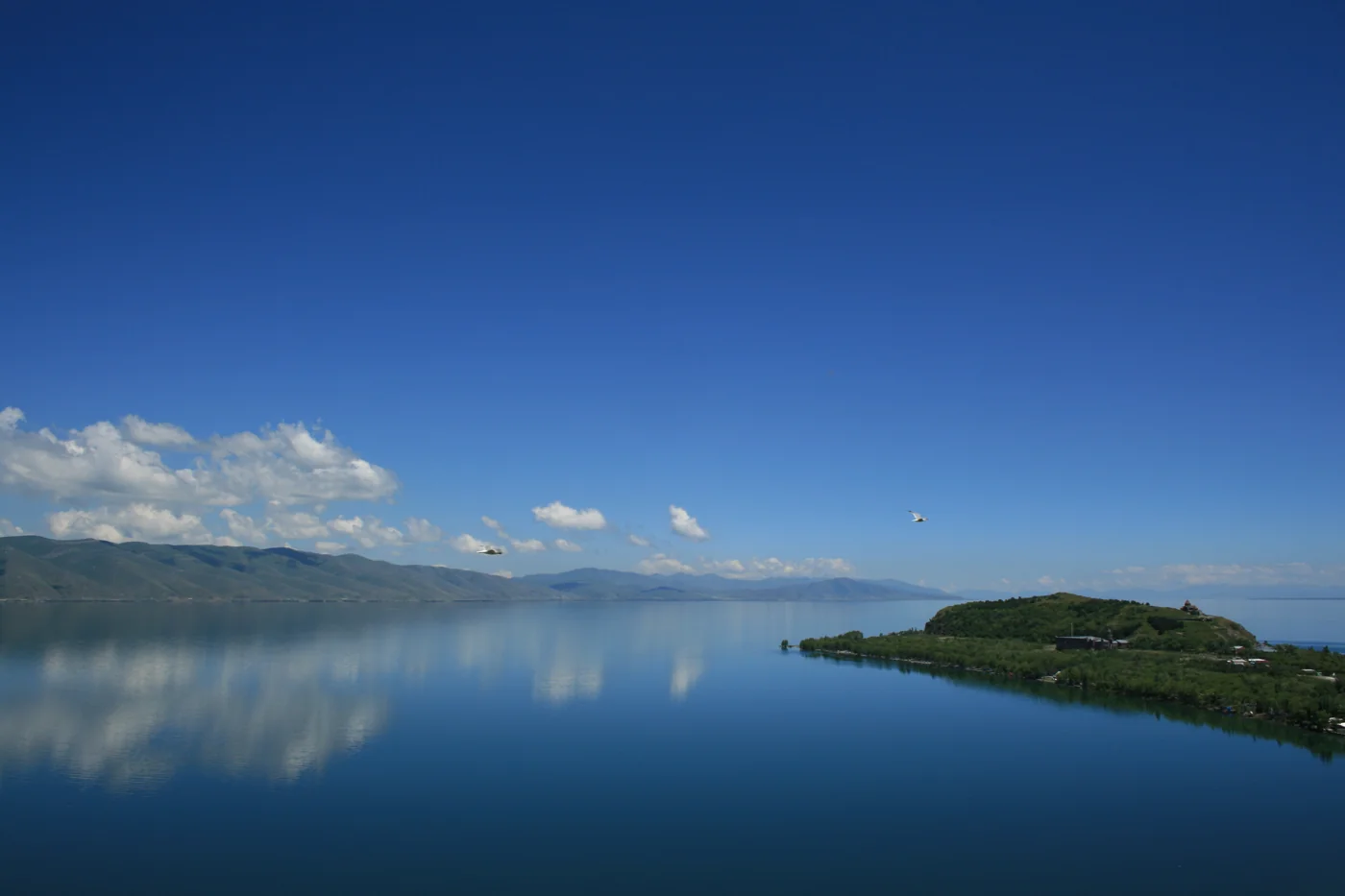
Sevan is Armenia’s principal high-altitude freshwater lake, framed by mountain ranges. Its water shifts from blue to greenish tones with the light and weather. A light jacket is useful because the shore can be windy even in summer. Stop by Lake Sevan for views across the water and surrounding mountains. A boat trip can be added separately, subject to weather and availability.
The lake changes colour with the light and weather, from pale blue to deeper shades. A shoreline stop complements the elevated panorama at Sevanavank. Swimming and a boat trip are separate activities rather than automatic parts of a lakeside photo stop.
05
Sevanavank
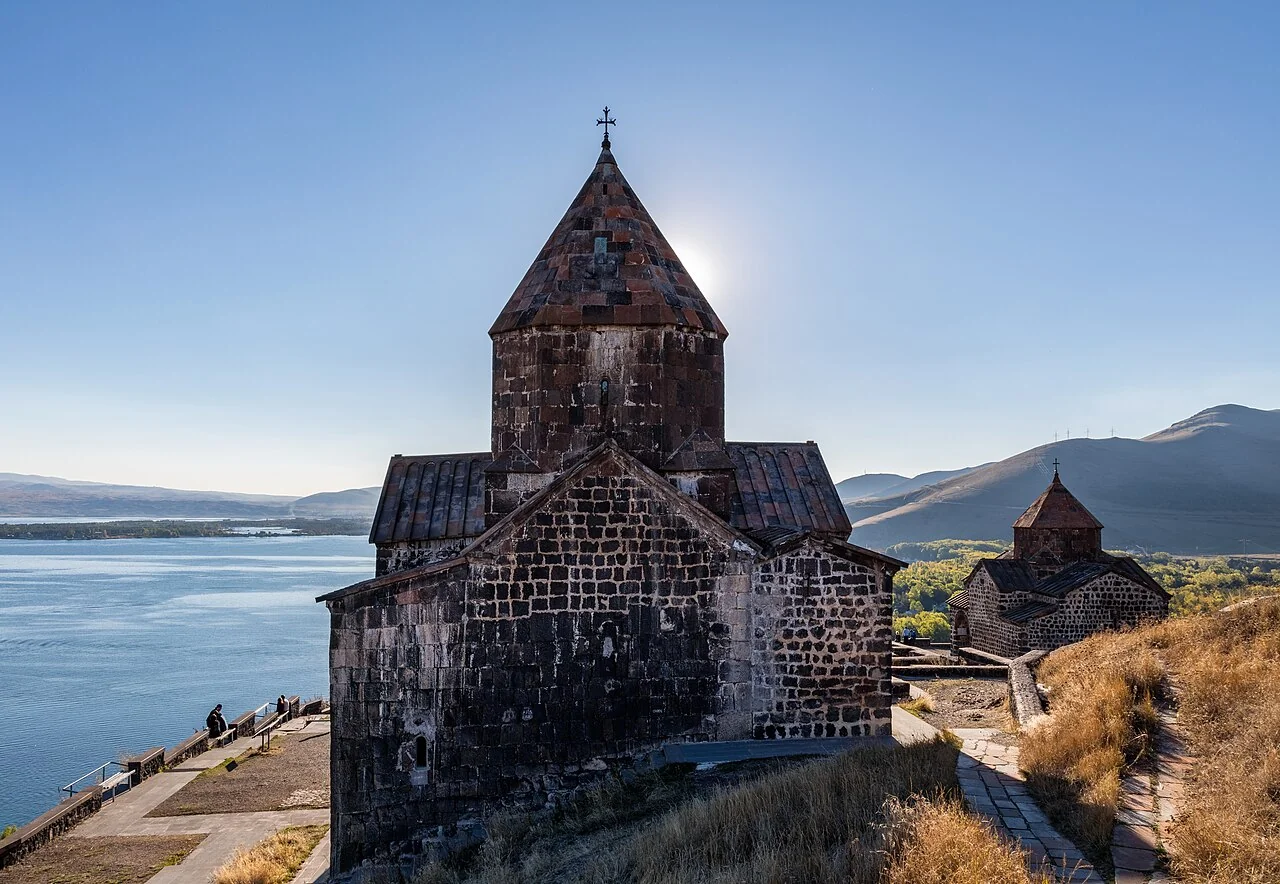
Sevanavank stands on the peninsula’s elevated ground with wide lake views. Dark-stone churches and khachkars add historical depth to the shoreline scenery. Reaching the monastery involves steps, and the top is often windy. Walk up to Sevanavank for its churches and lake panorama. Access includes steps.
The elevated viewpoint reveals different parts of the lake and peninsula. Allow time for the wider scenery after viewing the churches. Participants who prefer not to climb the steps can discuss a shoreline alternative beforehand.
06
Dilijan Old Street
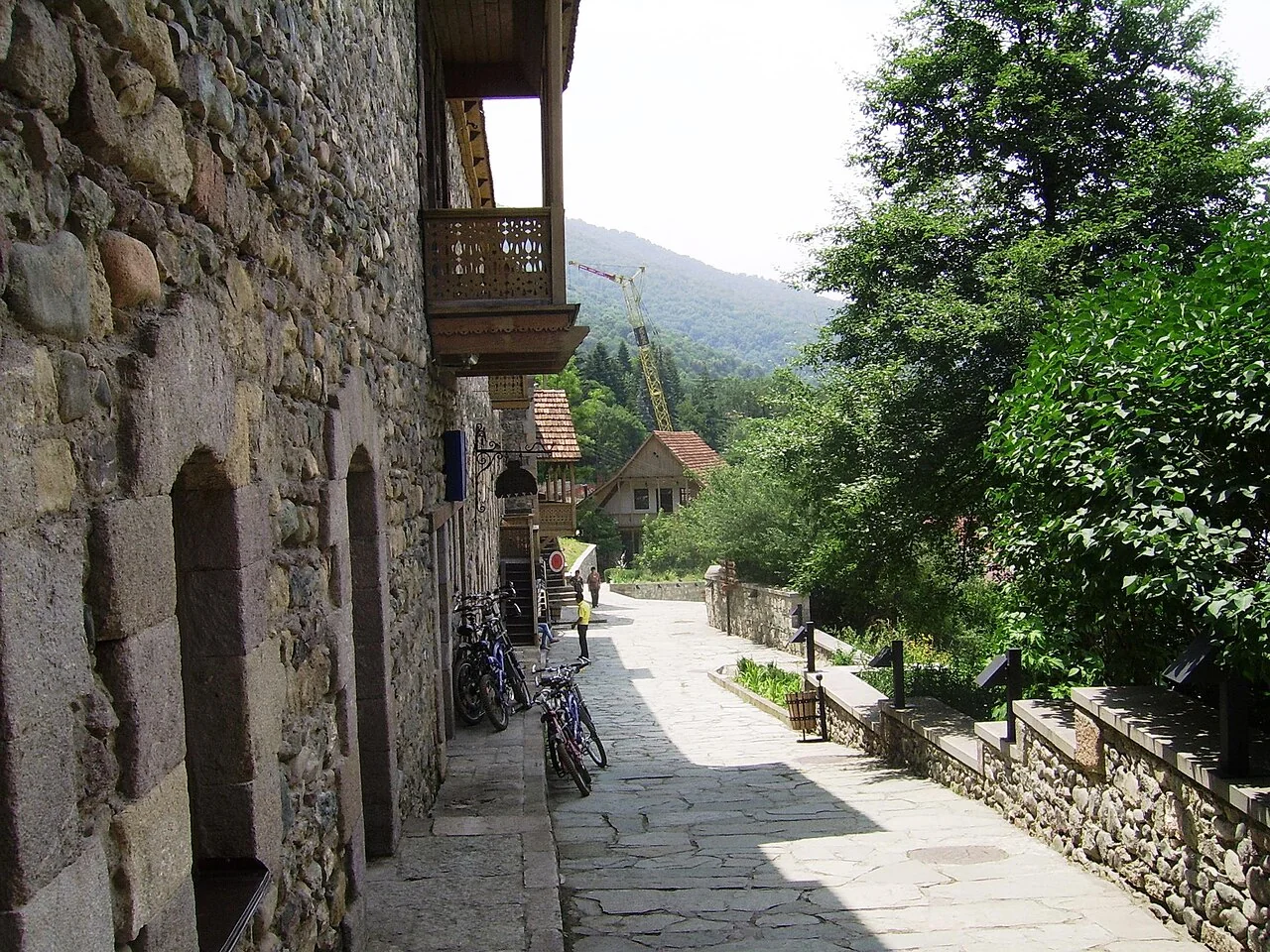
Dilijan is known for its forest setting and traditional town architecture. The old street features wooden balconies, craft workshops and details of local culture. The stop is a relaxed walk; purchases and paid workshops are separate. Walk along Dilijan’s old street with its wooden balconies. Enjoy time for photographs and browsing local shops.
On the old street, look beyond the overall view to the details of wooden balconies and doors. The town stop complements Haghartsin and Goshavank by revealing a more everyday, craft-oriented side of Dilijan.
07
Mimino Monument
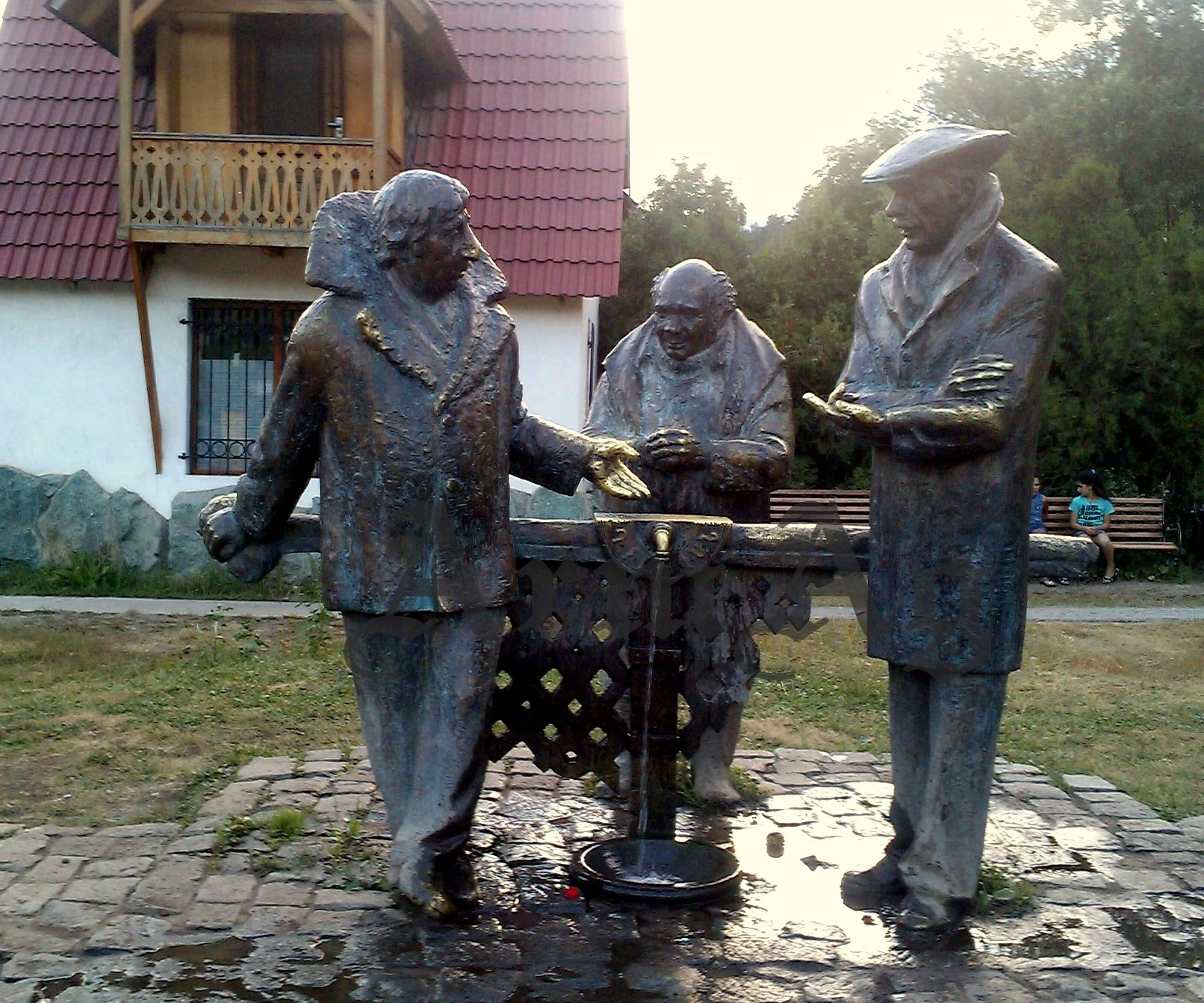
Dilijan’s Mimino Monument celebrates the three main characters of the film of the same name. The sculptures depict the characters played by Frunzik Mkrtchyan, Vakhtang Kikabidze and Yevgeny Leonov. This recognisable photo stop connects the town with the film’s famous dialogue about Dilijan. There is time to view the sculptures and take photographs.
The monument is a short cultural stop that fits naturally into a Dilijan walk. The characters’ faces and poses appeal both to fans of the film and to visitors taking photographs. This is not a lengthy museum visit.
08
Haghartsin Monastery
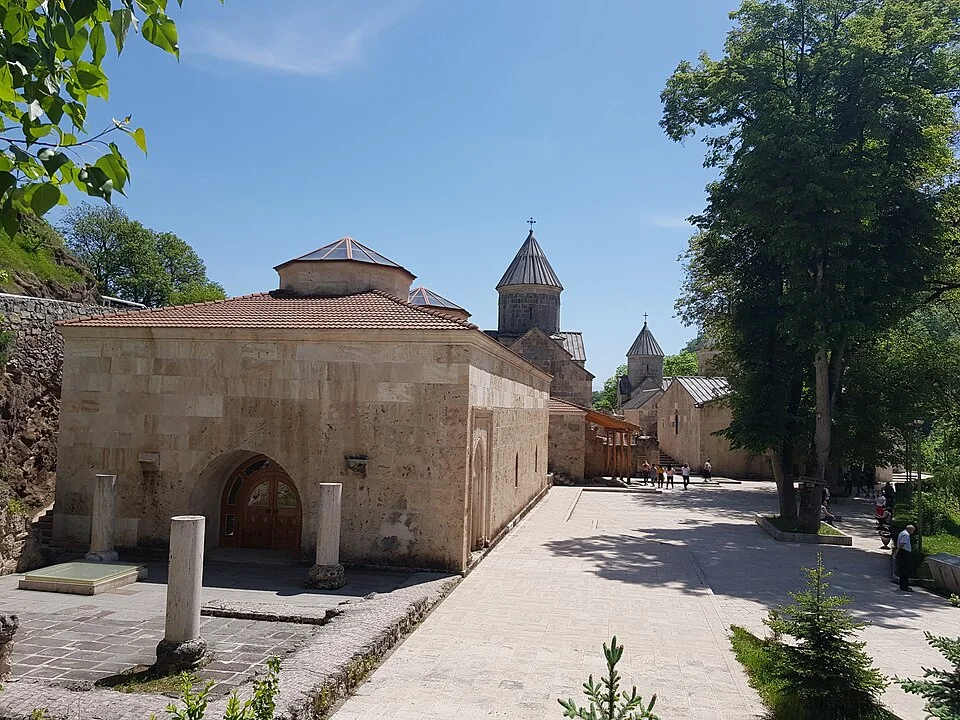
This forest-framed complex showcases medieval monastic architecture. Alongside its churches, the refectory stands out for its stone columns and vaults. The visit offers a relaxed way to enjoy woodland scenery without a long hike. Visit Haghartsin Monastery among forested mountains. Take time to explore the grounds and photograph the surrounding scenery.
Beyond the churches, look for the refectory and its stone tables. The surrounding woodland offers different perspectives on the complex as you approach it. A short walk around the monastery does not include a separate long-distance forest hike.