Back to tours1–7 days · custom itinerary
Your private Armenia
Let’s create an itinerary around your dates, interests and preferred pace.
About this journey
Choose your preferred places below in the Build my tour section. You select the number of days, transport and additional services, and the final route is agreed separately.
Included
- Transport along the selected route in an agreed vehicle
- Drinking water in every vehicle
- Organisation of the visits and stops listed in the programme
Not included
- Admission to the sites selected, such as Garni, the Symphony of Stones, Amberd, Zvartnots or Areni-1
- Cable cars, boats, horse riding or other activities unless selected and confirmed in the quote
- Tastings, tours and museums at selected wineries without separate confirmation
- Accommodation unless selected and confirmed in a multi-day package
- Khustup or other mountain ascents, mountain guiding and equipment without a dedicated programme
- Meals and other drinks along the route; drinking water in the vehicle is included
- A separate guide or interpreter unless specifically confirmed in the package
- Personal purchases and souvenirs
An additional service is included only when selected and confirmed in your final package. The vehicle, departure and return points, and access to sites are agreed before booking.
Tour itinerary
01
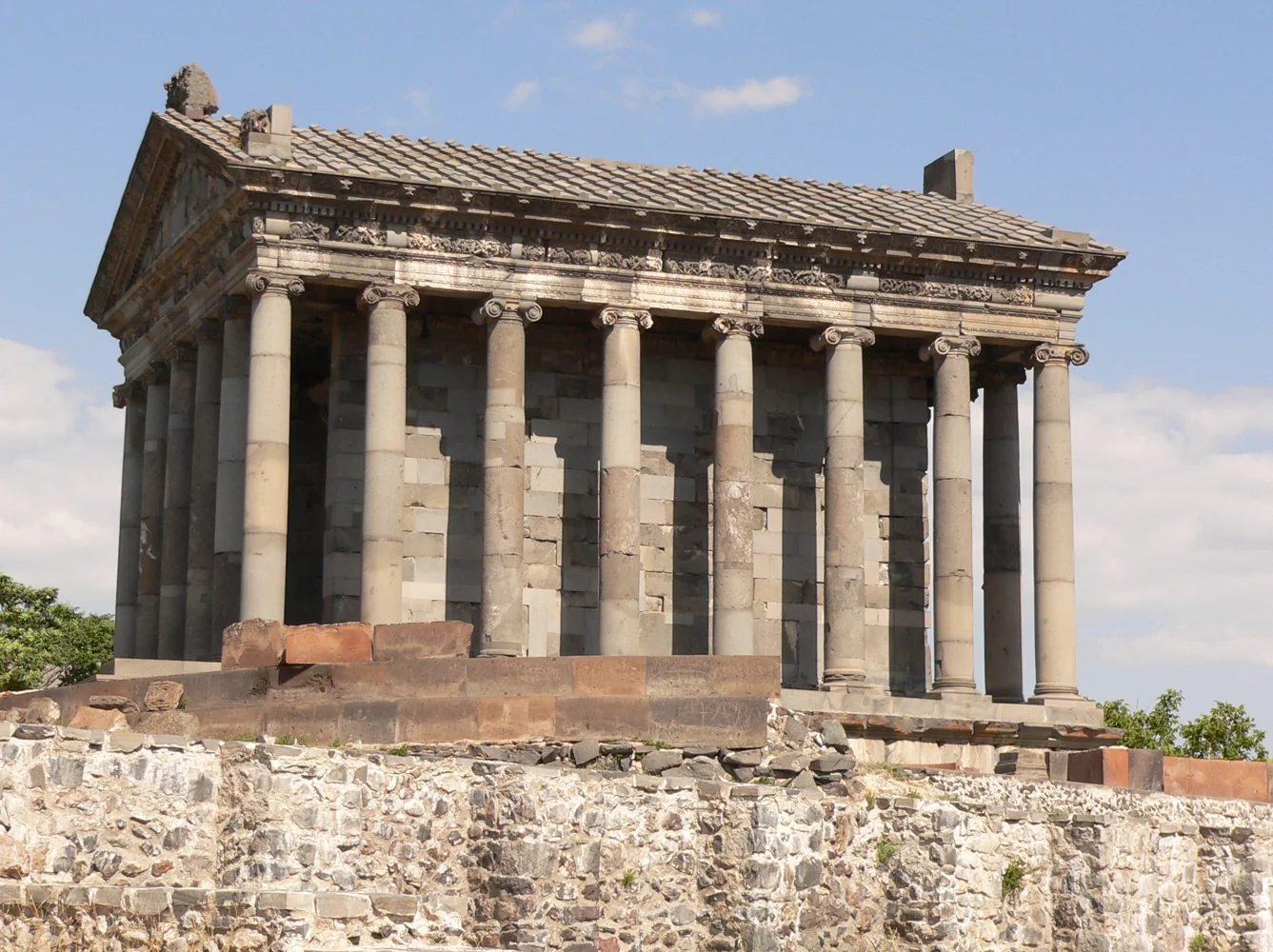
Garni Temple
Garni introduces Armenia’s pre-Christian heritage through a Greco-Roman-style colonnade overlooking the Azat Gorge. The grounds also contain remains of an ancient fortress and royal baths. Take care on the temple’s tall steps. Explore the grounds of Garni Temple, its stone colonnade and mountain views. There is time to walk around and take photographs.
02
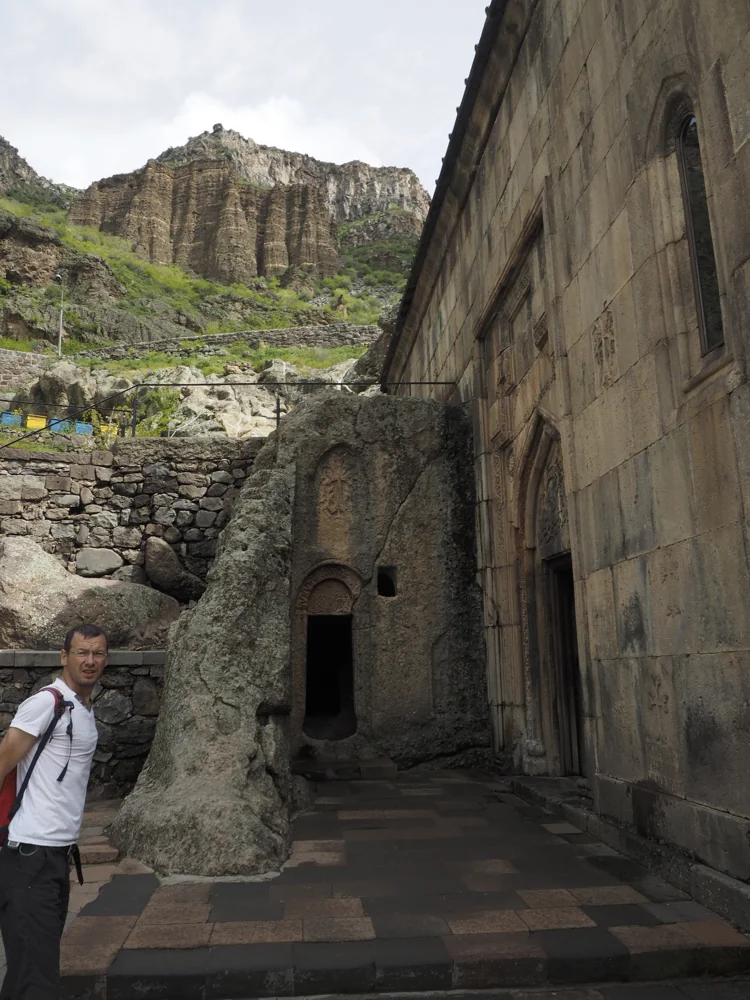
Geghard Monastery
Parts of Geghard are carved directly into the cliff, with sculpted entrances, khachkars and resonant stone chambers. Its name refers to the spear remembered in Christian tradition. Respectful clothing and quiet behaviour are appropriate at this active religious site. Walk through Geghard Monastery and its rock-carved chambers. The stop combines architecture with the scenery of the gorge.
03
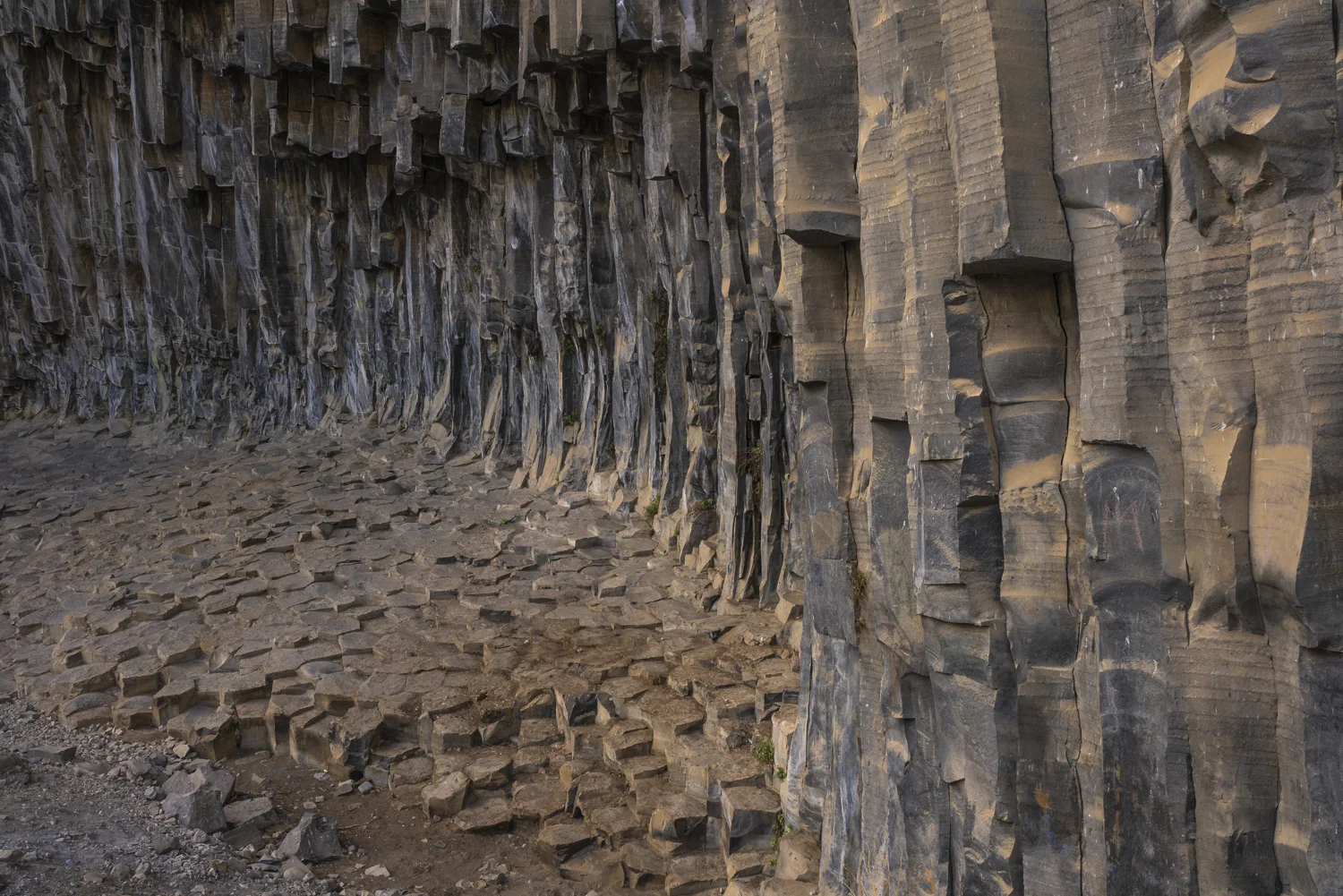
Symphony of Stones
These polygonal basalt columns formed as volcanic lava cooled, creating shapes resembling a giant pipe organ. The path below the cliffs offers changing views of the Azat River gorge. Comfortable shoes with good grip suit the walk. Visit the basalt columns of the Symphony of Stones in the Azat Gorge. This stop includes a walk and time for photographs.
04
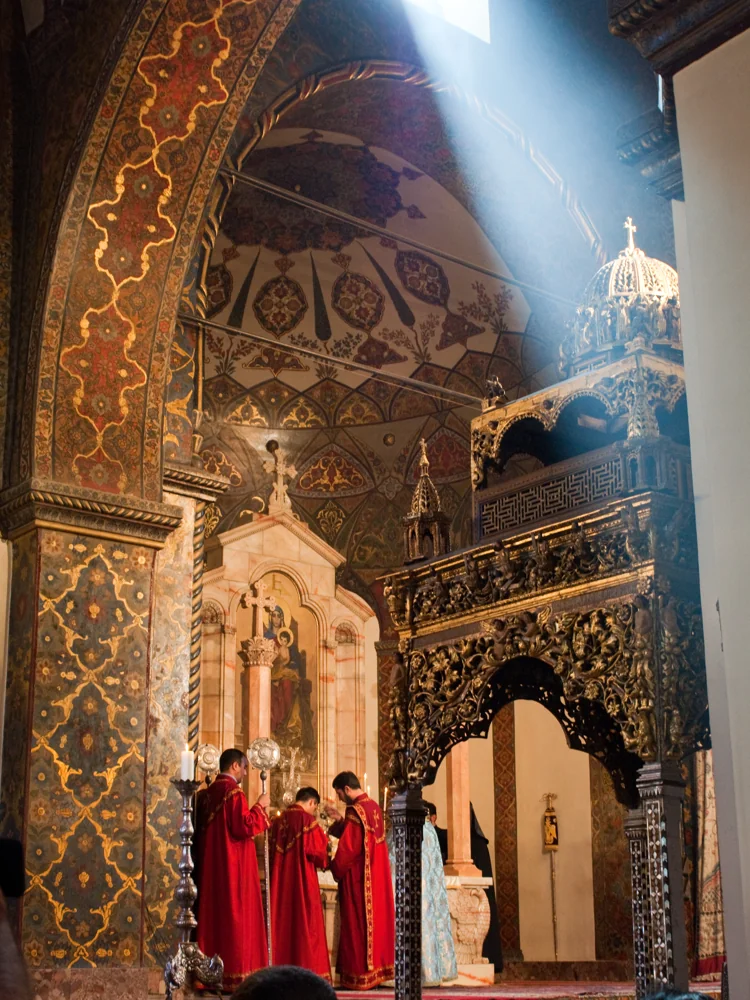
Echmiadzin
The Mother See of Holy Etchmiadzin in Vagharshapat is the spiritual centre of the Armenian Apostolic Church. Look for the cathedral’s architecture, khachkars and surrounding ecclesiastical buildings. Treasury or museum visits are arranged separately from the grounds visit. Explore the grounds of Echmiadzin’s spiritual centre and the town’s church architecture. Interior visits depend on opening arrangements on the day.
05
Lake Sevan
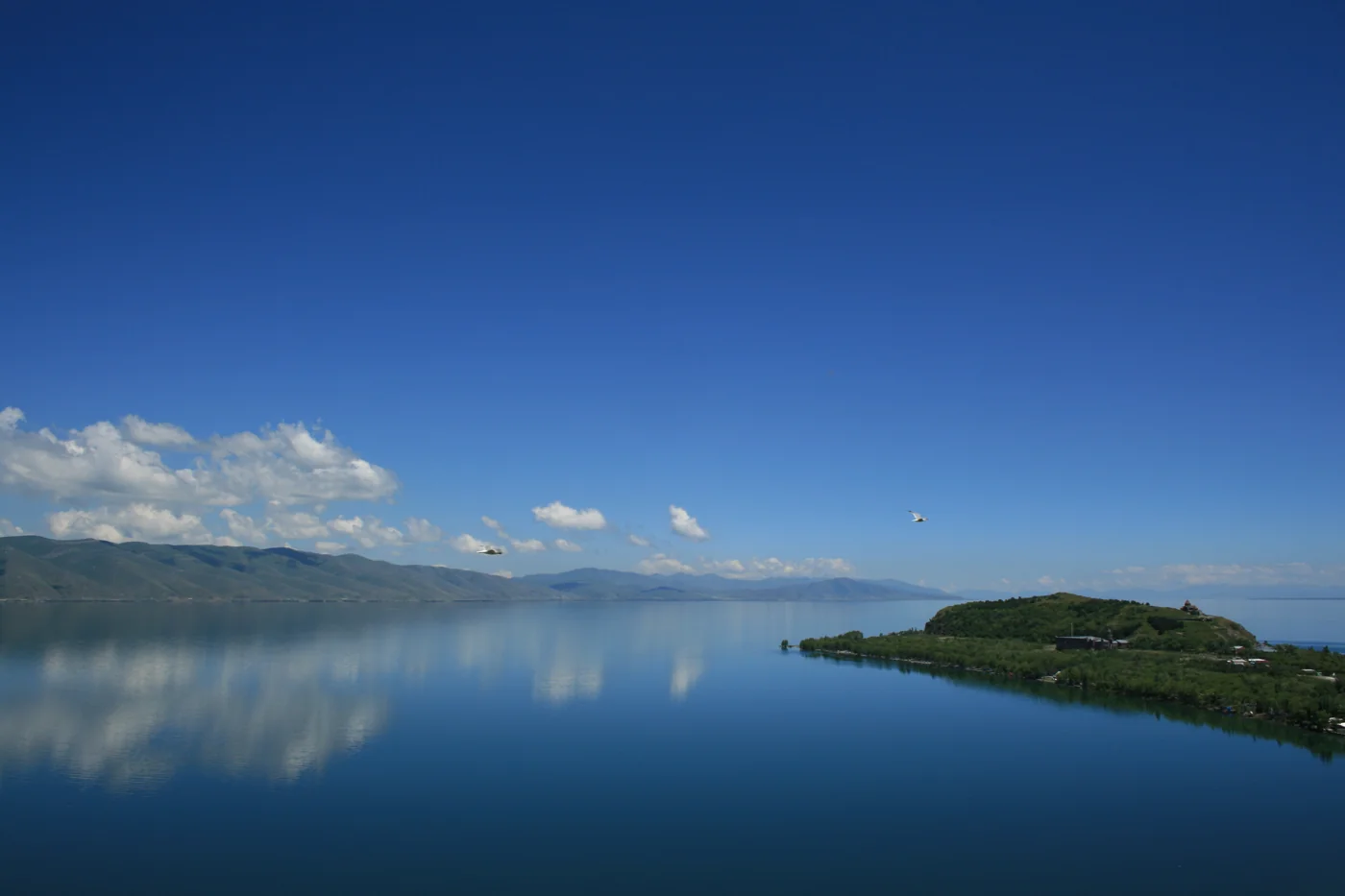
Sevan is Armenia’s principal high-altitude freshwater lake, framed by mountain ranges. Its water shifts from blue to greenish tones with the light and weather. A light jacket is useful because the shore can be windy even in summer. Stop by Lake Sevan for views across the water and surrounding mountains. A boat trip can be added separately, subject to weather and availability.
06
Haghartsin Monastery
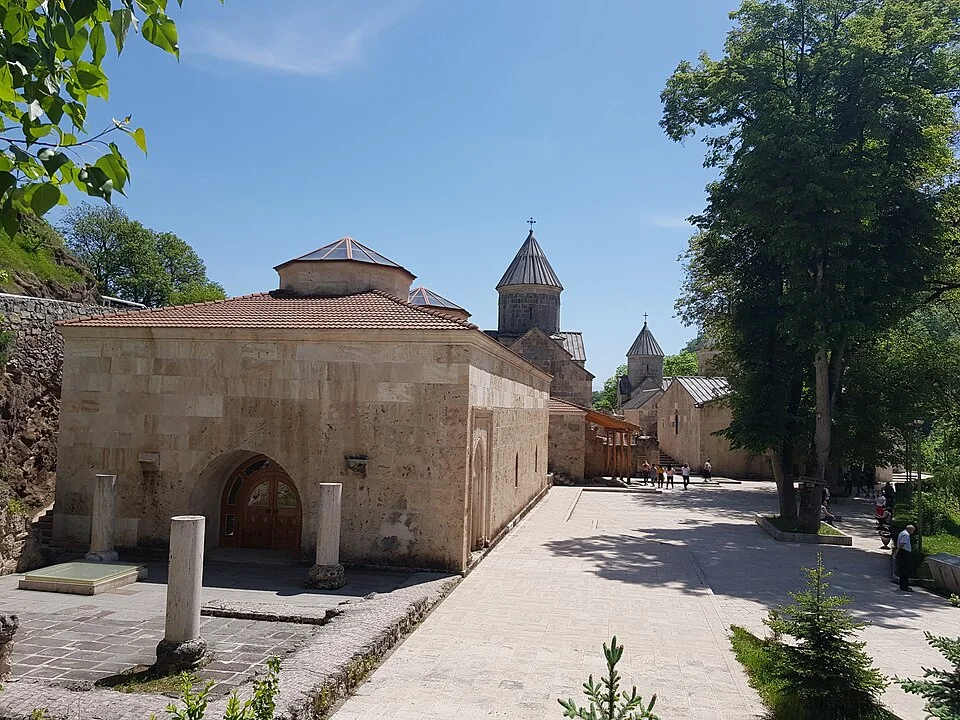
This forest-framed complex showcases medieval monastic architecture. Alongside its churches, the refectory stands out for its stone columns and vaults. The visit offers a relaxed way to enjoy woodland scenery without a long hike. Visit Haghartsin Monastery among forested mountains. Take time to explore the grounds and photograph the surrounding scenery.
07
Khor Virap and Mount Ararat
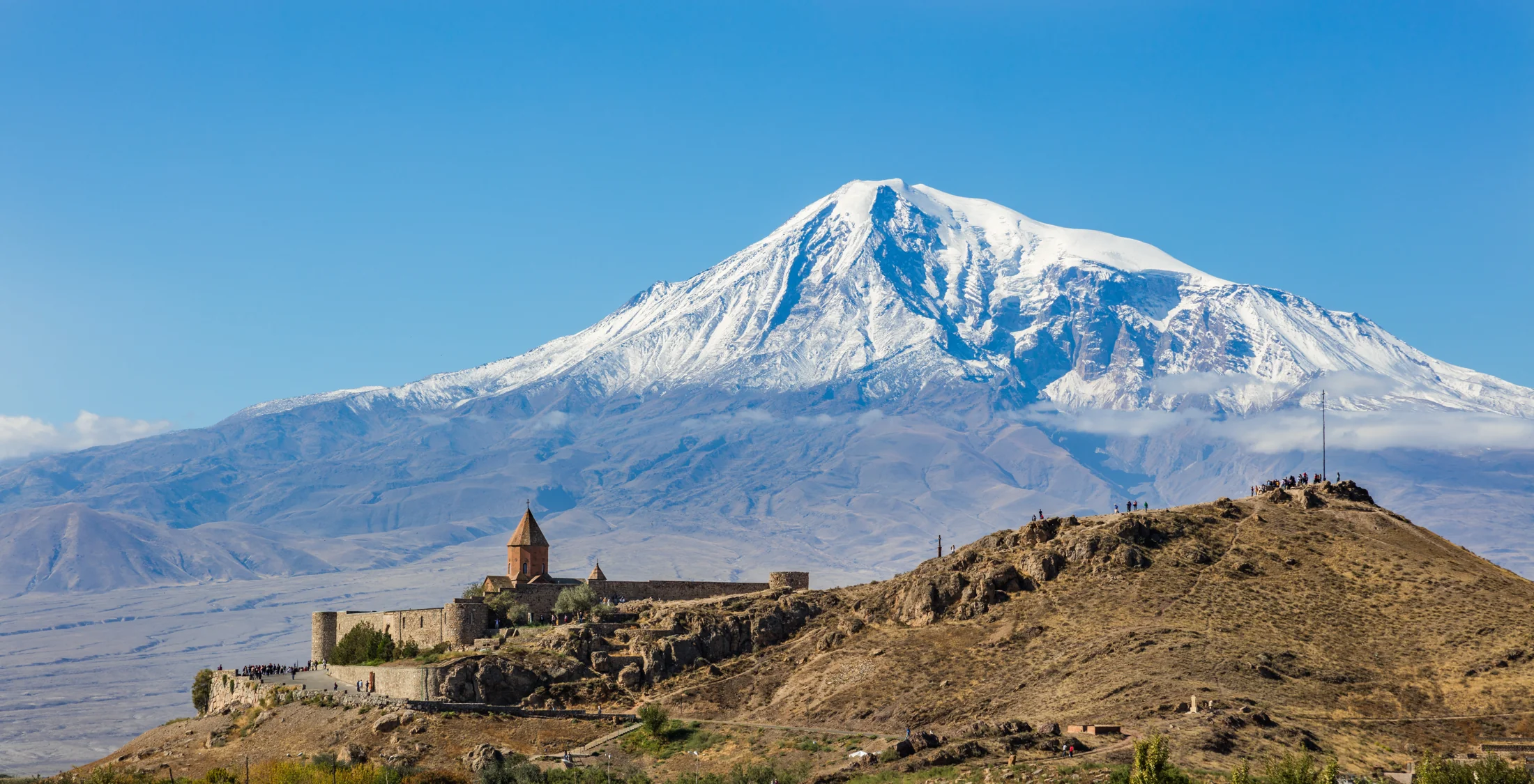
Khor Virap is associated with Saint Gregory the Illuminator’s imprisonment and Armenia’s adoption of Christianity. Clear days reveal Ararat and the surrounding plain from the courtyard. Entering the underground chamber is optional and involves a narrow passage and ladder. Visit Khor Virap Monastery and its viewpoints. On clear days, the views extend towards Mount Ararat.
08
Noravank
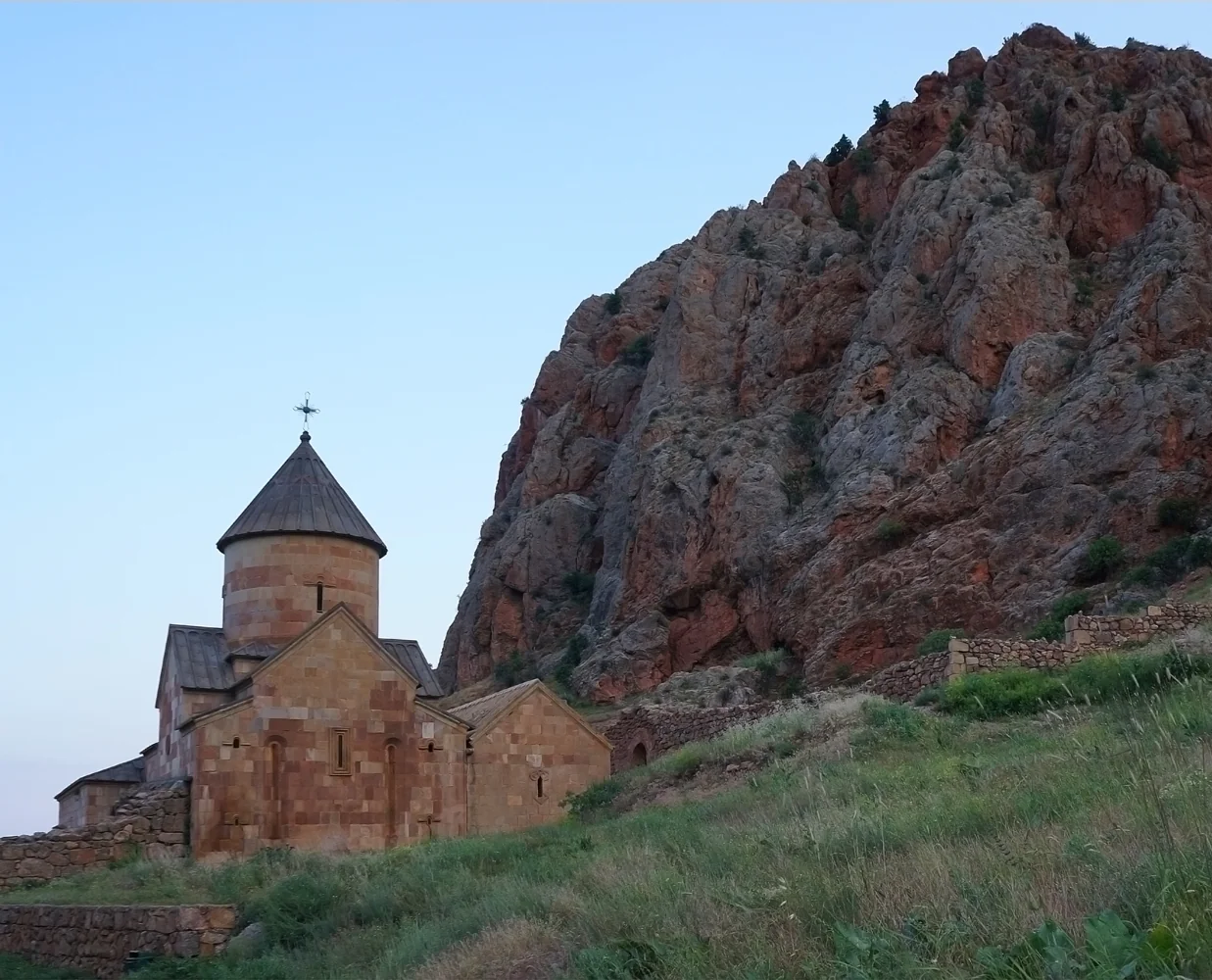
Noravank’s red-cliff setting is linked with the Orbelian princely family and medieval religious and scholarly life. The exterior staircase of the Holy Mother of God church and carved portals are highlights. Climbing the steep, narrow stairs is optional. Travel to Noravank Monastery, surrounded by red cliffs. Explore its grounds and pause at viewpoints in the gorge.
09
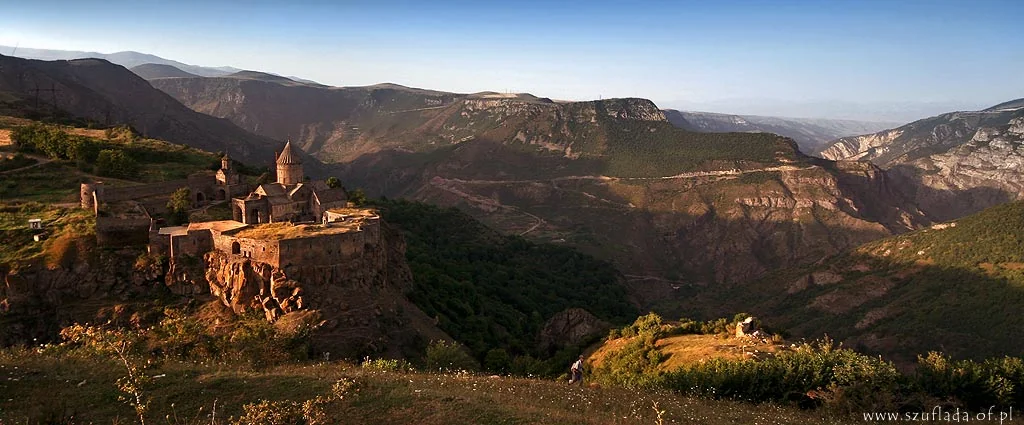
Tatev Monastery
Tatev was an important monastic and medieval educational centre in Syunik. Its walled grounds reveal church architecture, stone courtyards and a dramatic position above the gorge. Visiting the monastery and riding the cable car are separate experiences; the latter is confirmed separately. Explore Tatev Monastery near Vorotan Gorge. A ride on the Wings of Tatev cable car is an optional paid activity, subject to its operating schedule.
10
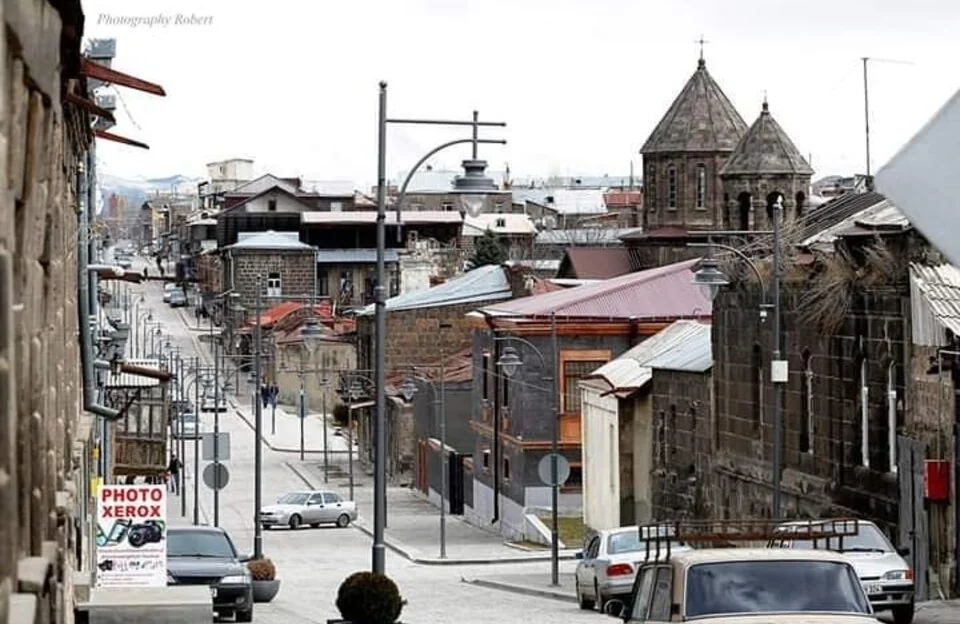
Gyumri
Gyumri is known for black and red tuff buildings, craft traditions and a lively cultural scene. The historic Kumayri district offers old balconies, decorative stonework and city squares. Museum choices are based on guests’ interests and agreed separately. Walk through central Gyumri to discover its stone buildings and local atmosphere. Museum visits can be arranged separately.
11
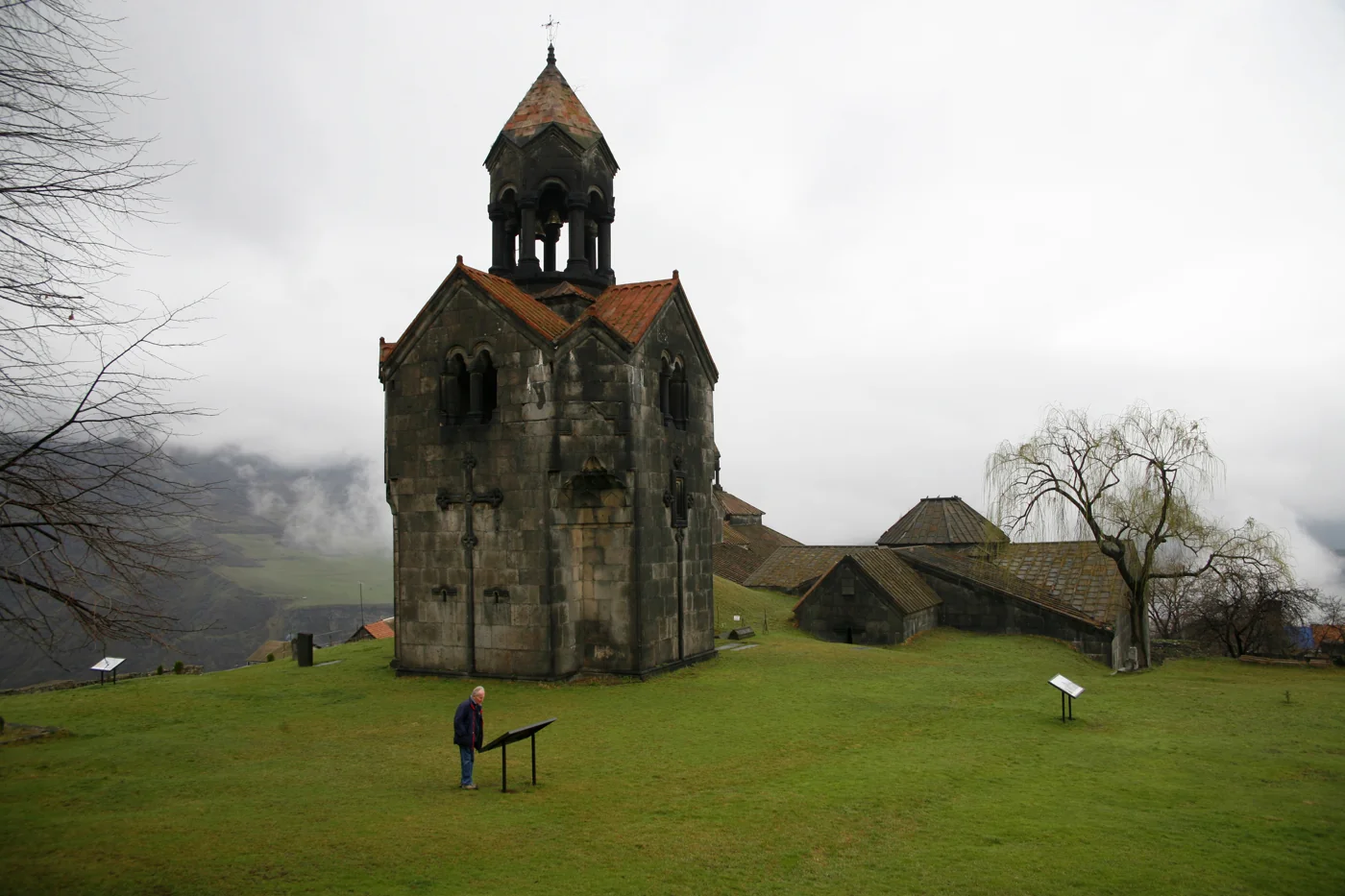
Haghpat Monastery
Haghpat was a medieval religious and manuscript centre and shares UNESCO World Heritage status with Sanahin. Its entrance halls, bell tower and khachkars reward close attention. The grounds offer views across Lori’s hills towards the gorge. Explore the churches and stone buildings of Haghpat Monastery. The stop also offers views of the Lori landscape.
12
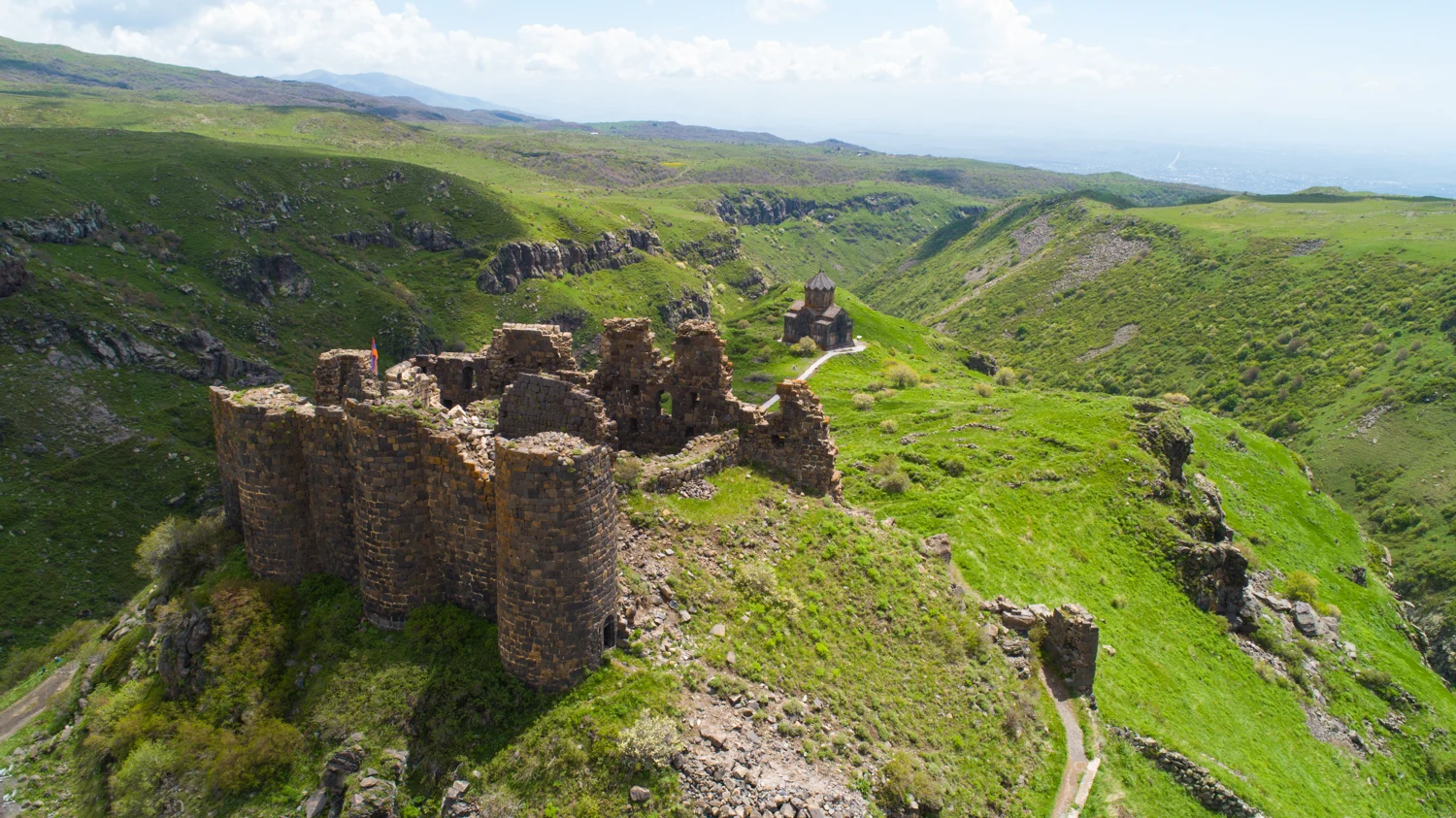
Amberd Fortress
Amberd is a medieval defensive complex on the slopes of Aragats, with fortress remains and Vahramashen Church. Its position once commanded the surrounding gorges and routes. The rocky grounds call for careful walking, and access depends on mountain-road conditions. Visit Amberd Fortress and its surrounding viewpoints. Access along the mountain road is confirmed in advance according to season and weather.
13
Tsaghkadzor
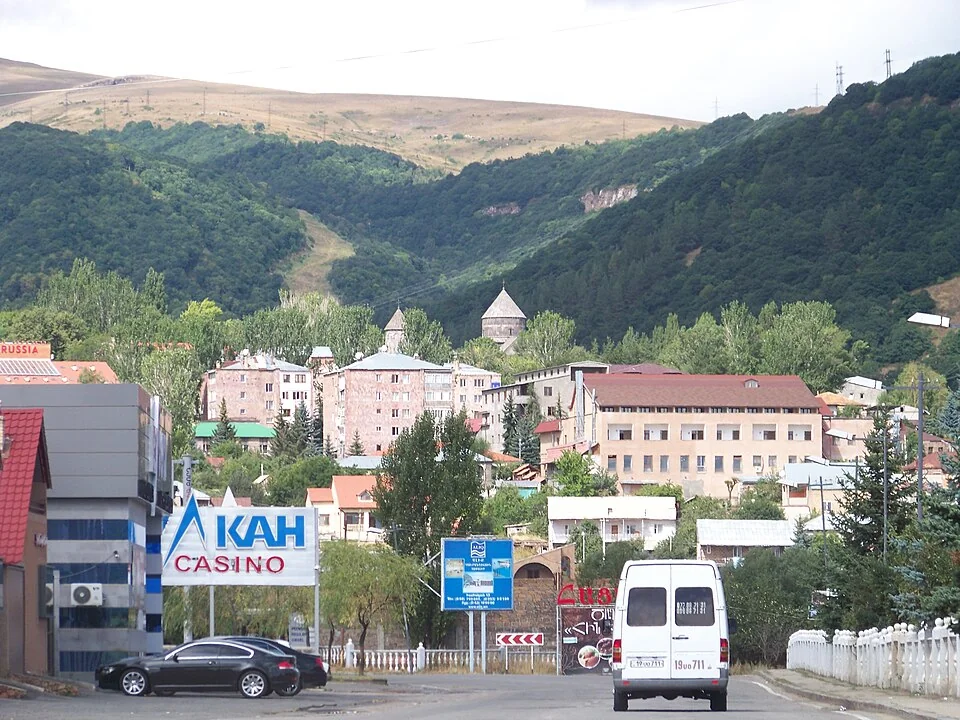
Tsaghkadzor is a mountain resort known for wooded slopes and winter sports. A relaxed town walk combines naturally with a visit to Kecharis Monastery. Cable-car rides and skiing services, if wanted, are arranged separately. Explore the resort town of Tsaghkadzor and its mountain setting. An optional cable-car visit can be added separately, subject to operating hours.
14
Khndzoresk Swinging Bridge
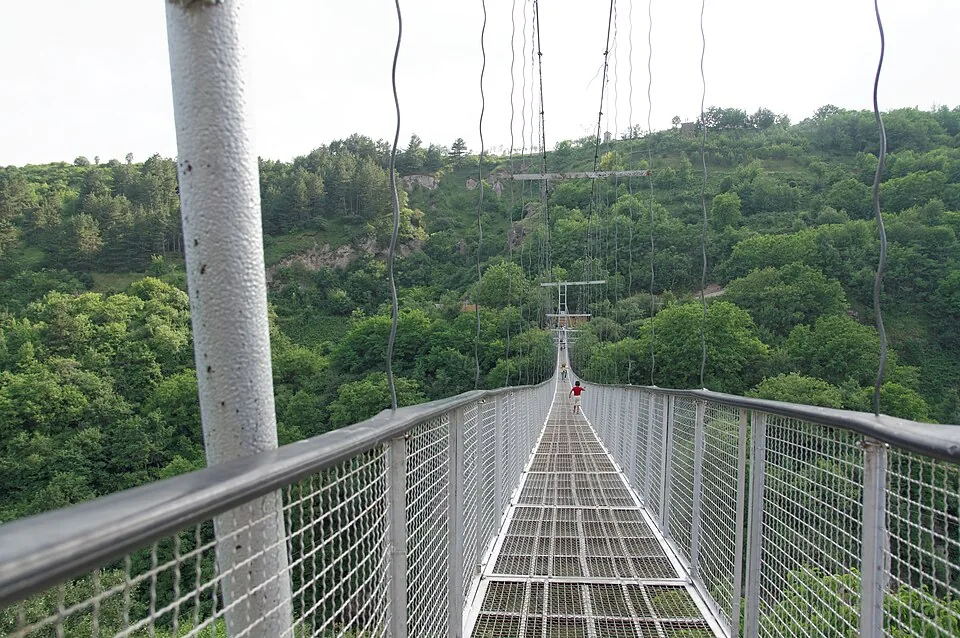
Old Khndzoresk is a cave settlement whose rock-cut spaces once served as homes. A suspension bridge connects parts of the old village across the gorge. Access involves long stairways, and the bridge can sway as people cross. Visit the Khndzoresk Swinging Bridge and views across the gorge. Reaching the bridge involves walking and steps, so we agree the pace in advance.
15
Marmashen Monastery
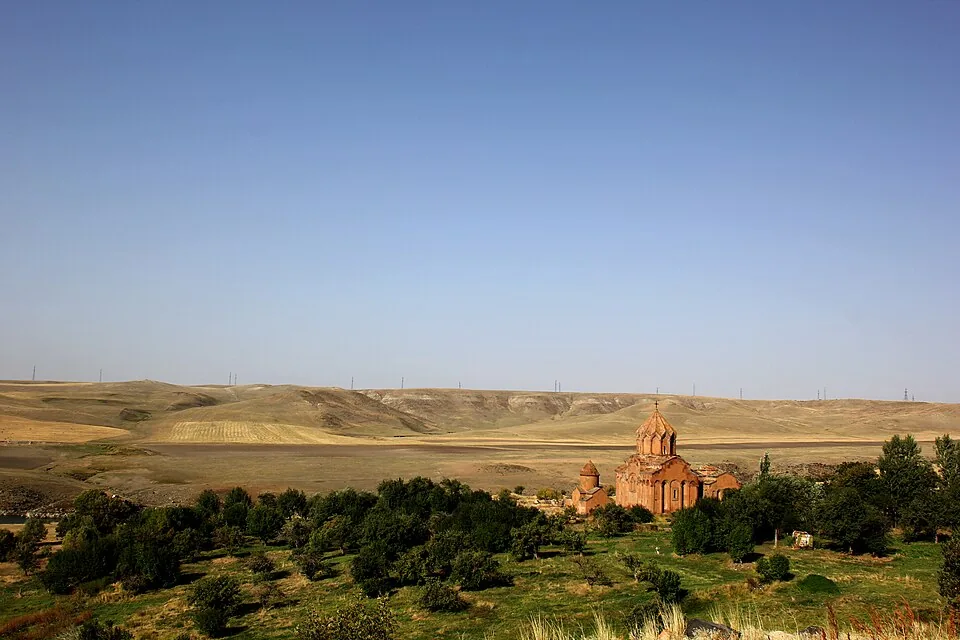
Marmashen stands in the Akhuryan River valley near Gyumri. Its reddish-stone churches feature arcaded façades and delicate carving. The quiet riverside setting combines architectural interest with natural scenery. Visit Marmashen Monastery in its open landscape setting. There is time to explore the grounds and church architecture.
16
Angels Canyon
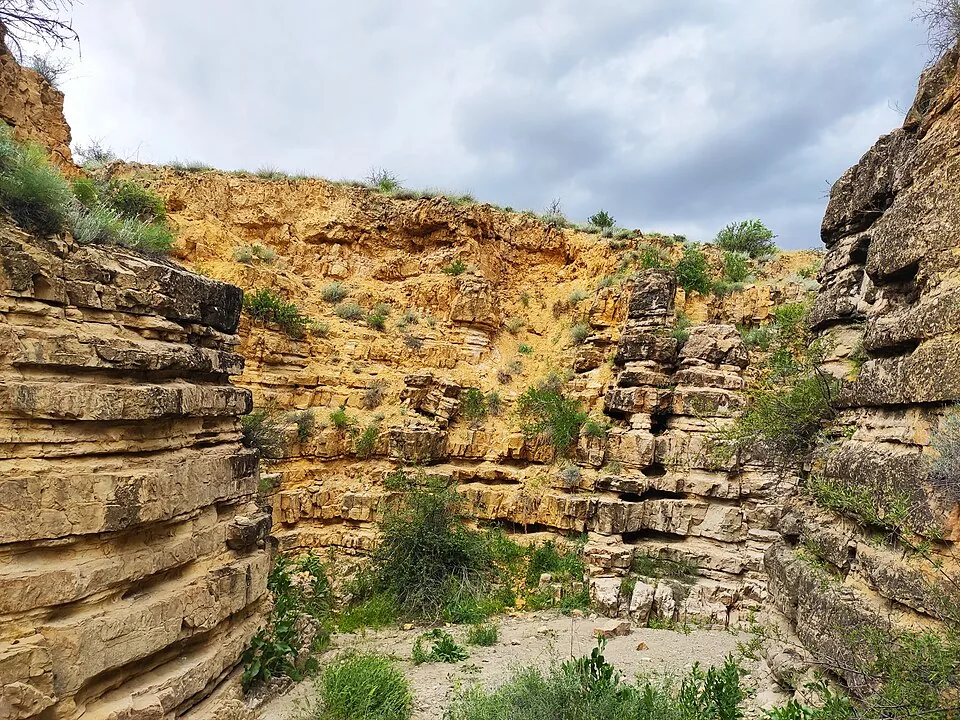
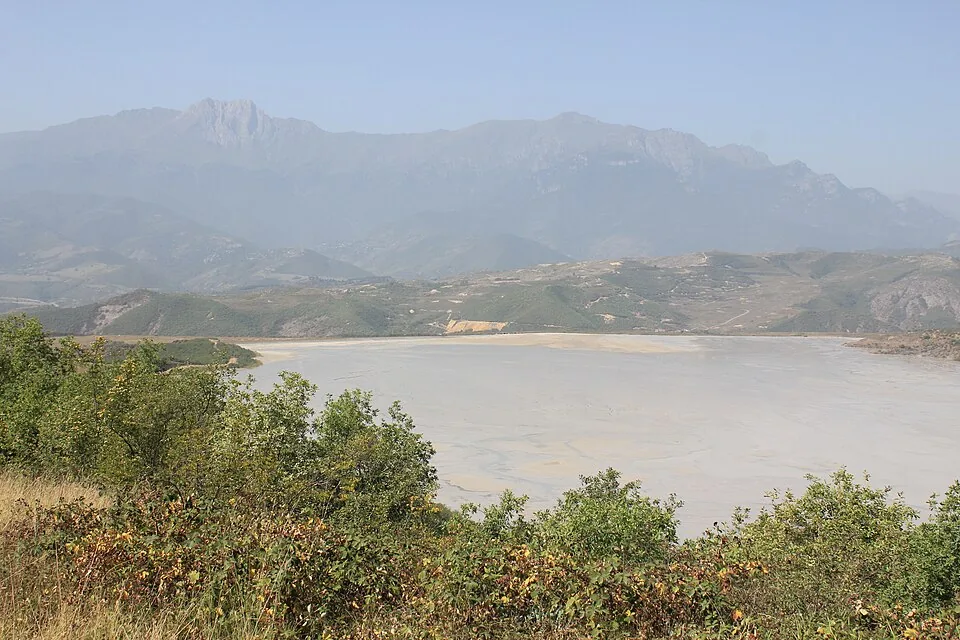
Angels Canyon is a natural gorge in the Ararat region with pale rock walls and narrow passages. Water and wind have shaped formations that make appealing photographic subjects. The visit involves walking, with conditions assessed in advance during hot or wet weather. Walk among the rock formations of Angels Canyon. The walking route and duration are agreed according to the group’s needs.
17
Mount Khustup
Khustup is a mountain landmark of Syunik overlooking the Kapan area. A summit ascent is a separate hiking undertaking requiring preparation and mountain guiding, rather than an ordinary driving tour. Access and the quote are planned around the season and the group’s capabilities. Mount Khustup programmes are planned separately according to season, trip length and participants’ experience. A summit ascent is not part of a standard driving tour and requires an individual plan and quote.
18
Tsaghkevank
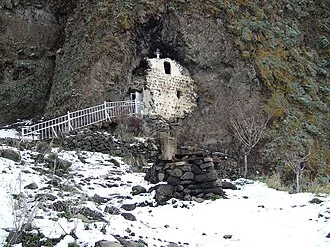
Tsaghkevank is a cave shrine on Mount Ara, also associated with Saint Barbara. Its natural rock setting is intertwined with local pilgrimage traditions. The final approach is on foot, so the route is matched to the group’s walking ability. Visit the Tsaghkevank cave shrine on Mount Ara. Road access and walking conditions are checked in advance according to weather.
19
Tegher Monastery
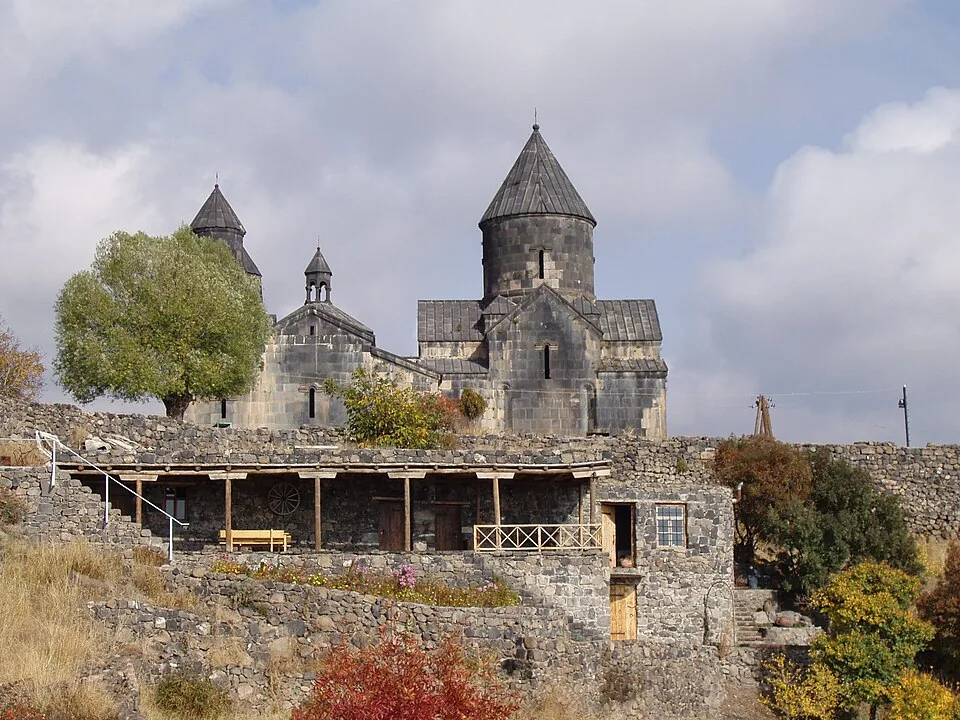
Tegher stands on the slopes of Aragats and exemplifies medieval Armenian church architecture. Two small churches above the entrance hall’s roof distinguish the complex. Outside are mountain views; inside, the proportions of the stone structures invite closer attention. Visit Tegher Monastery to explore its stone church architecture. The stop also includes views of the surrounding upland landscape.
20
Odzun Monastery
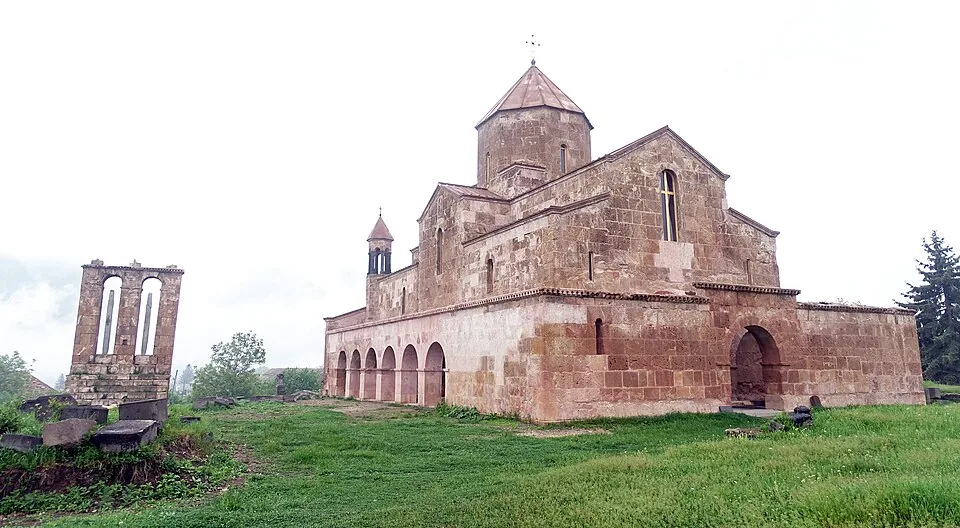
Odzun Church is an important example of early medieval Armenian architecture in an elevated village setting. Its arcades, stone carving and nearby memorial monument reflect early Christian art. The surrounding area offers views towards Lori’s mountains and Debed Gorge. Visit Odzun Church and its grounds. Take time to explore the architecture and views of this part of Lori.
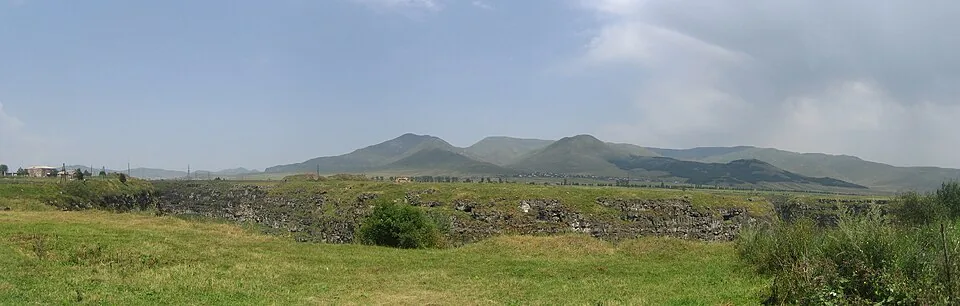
21
Lori Berd Fortress
Lori Berd preserves the remains of a medieval fortified town near Stepanavan. Its defensive position between two gorges is complemented by surviving walls and building fragments. Exploration is on foot, with care needed near exposed edges. Explore the ruins of Lori Berd Fortress and views of the surrounding gorges. The visit includes an outdoor walk.
22
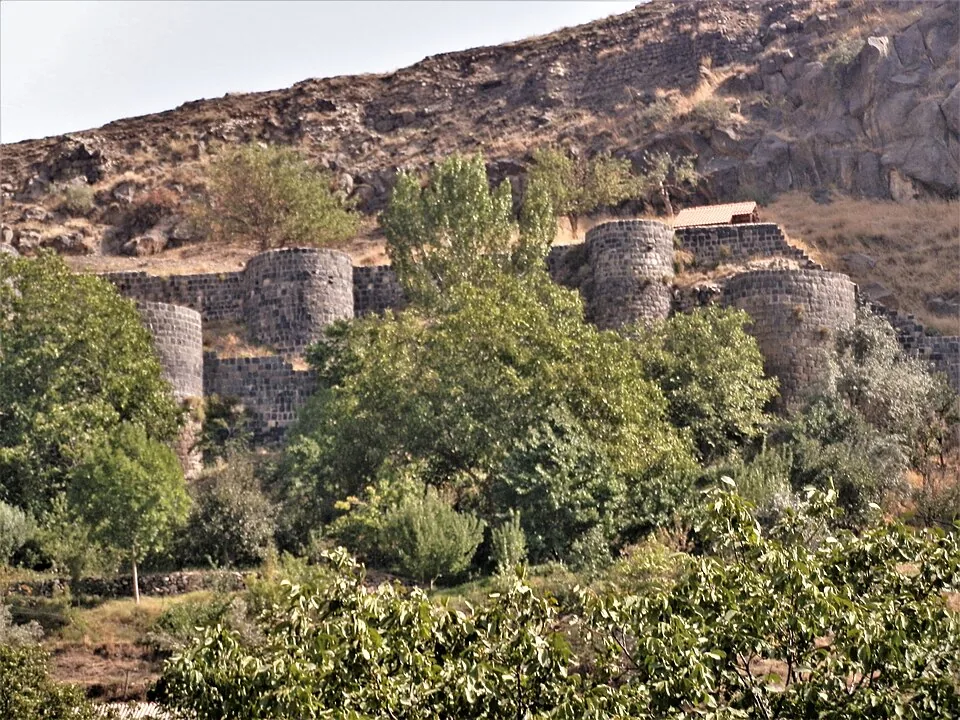
Bjni Fortress
Bjni Fortress occupies a rocky height above the Hrazdan Gorge. Surviving walls and ruins recall the settlement’s defensive role. The uneven walking ascent leads to views over the village and gorge. Visit the ruins of Bjni Fortress and viewpoints above the village. We agree the walking approach with the group.
23
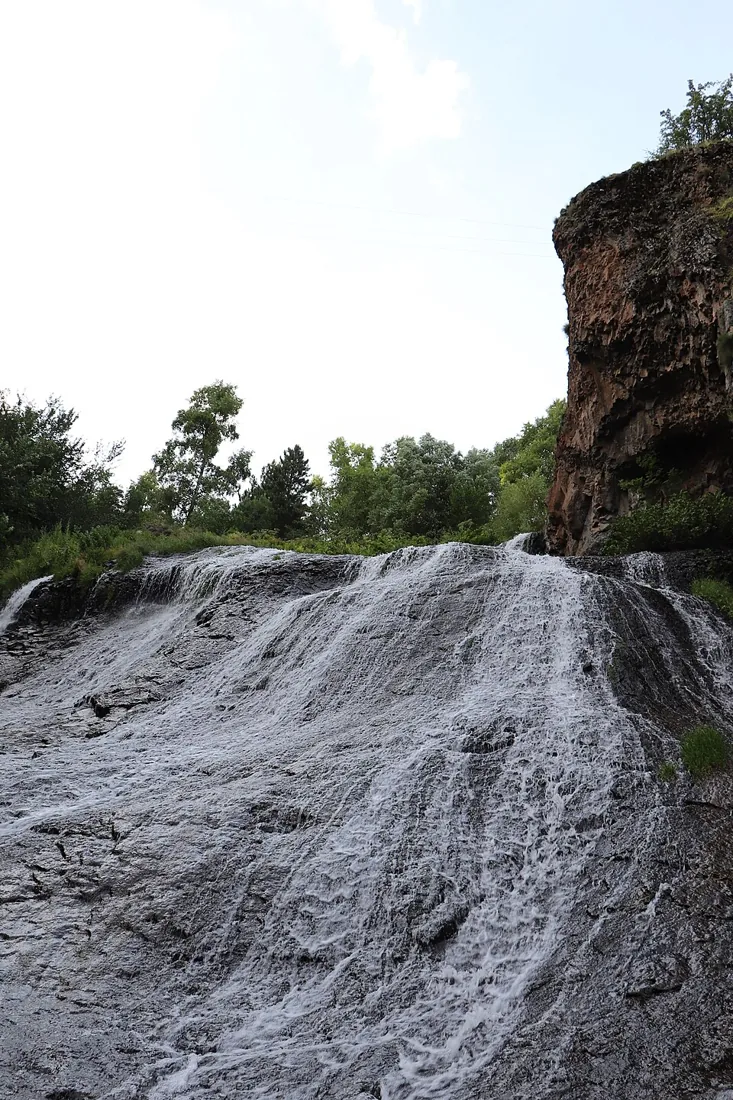
Jermuk Waterfall · Mermaid’s Hair
Jermuk Waterfall is also called Mermaid’s Hair because of the way its water spreads down the rock. Its setting in the resort town’s gorge makes an appealing landscape stop. Stones near the water may be wet and slippery. Stop at Jermuk’s Mermaid’s Hair Waterfall. There is time to enjoy the view and take photographs.
24
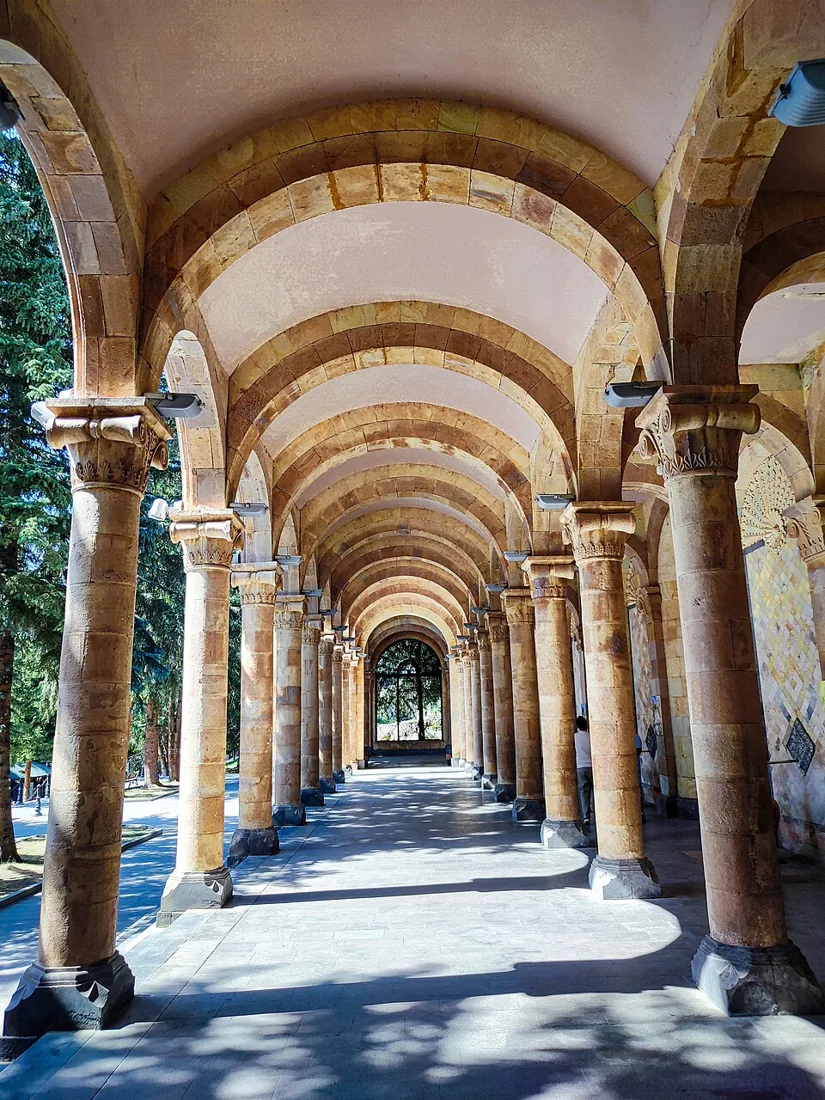
Jermuk Drinking Water Gallery
Jermuk’s drinking gallery is a recognisable part of the town’s mineral-water tradition. Springs beneath the arcade introduce visitors to mineral water at different temperatures. This is a sightseeing stop, with no treatment programme or medical consultation included. Visit the Drinking Water Gallery, one of Jermuk’s well-known landmarks. Combine the stop with a walk around town.
25
Birds Cave · Areni-1
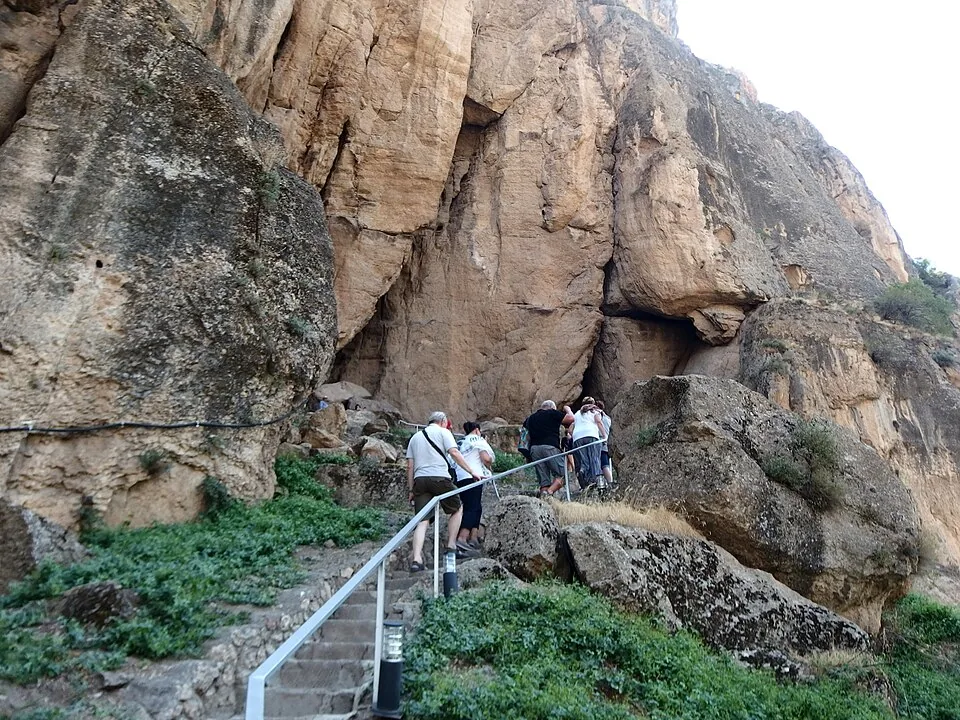
Areni-1, also called Birds’ Cave, is an important archaeological site for understanding ancient winemaking and daily life. Discoveries include wine-production installations and an ancient leather shoe. Visits stay within permitted areas to protect the archaeological remains. Visit the Areni-1 site, also known as Birds Cave. Interior access and guiding arrangements depend on opening hours and admission tickets.
26
Goshavank Monastery
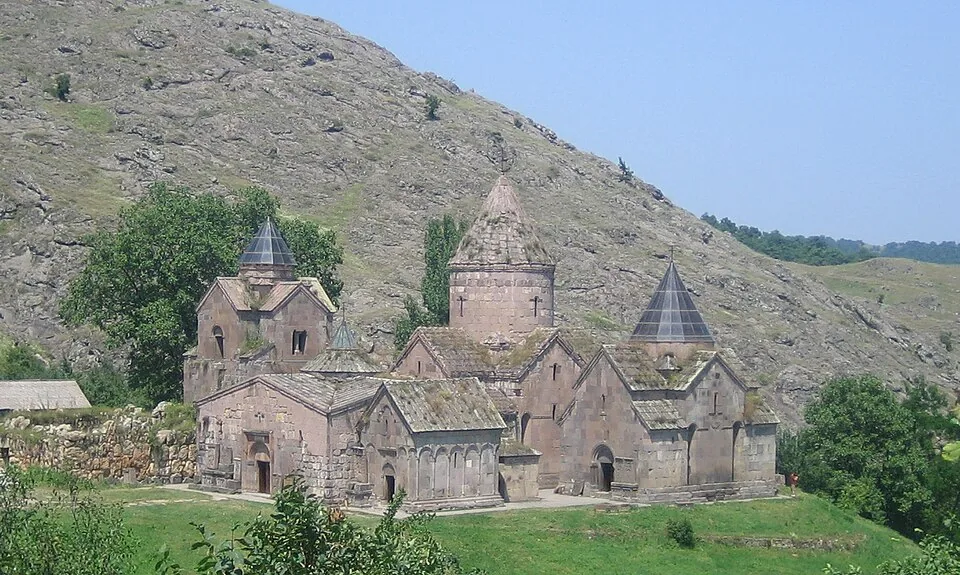
Goshavank is associated with the medieval thinker and jurist Mkhitar Gosh. Finely carved khachkars complement its churches and entrance halls. The wooded surroundings of Gosh village combine historical interest with natural scenery. Explore the stone buildings of Goshavank Monastery. The visit pairs well with the natural scenery around Dilijan.
27
Lake Parz
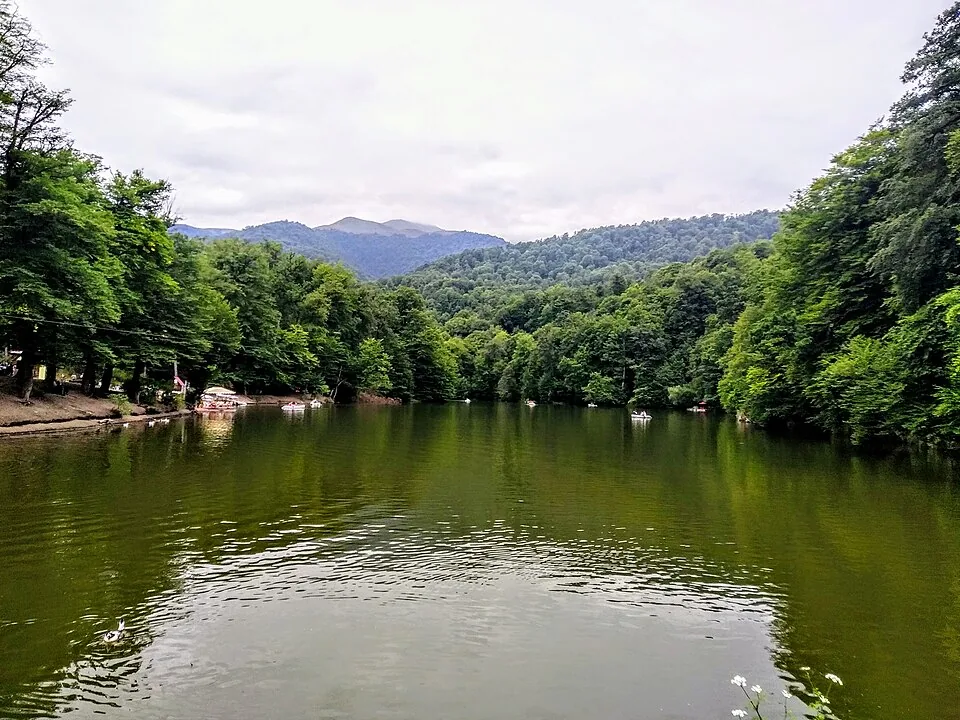
Lake Parz is a small woodland lake near Dilijan, known for tree reflections and a peaceful shore. Visitors can walk beside the water and relax in the forest setting. Boats, ziplining and other paid activities are separate from the standard stop. Visit Lake Parz in its forest setting and walk beside the water. Paid activities offered on site are not included in the base package.
28
Voskevaz Winery
Voskevaz Winery introduces the Aragatsotn wine region and Armenian wine production. Its castle-inspired architecture also makes an interesting photographic setting. Production-area visits and tastings require a programme agreed in advance. Visit Voskevaz Winery at a prearranged time. Winery tours and tastings require separate reservations and payment unless confirmed in your package.
29
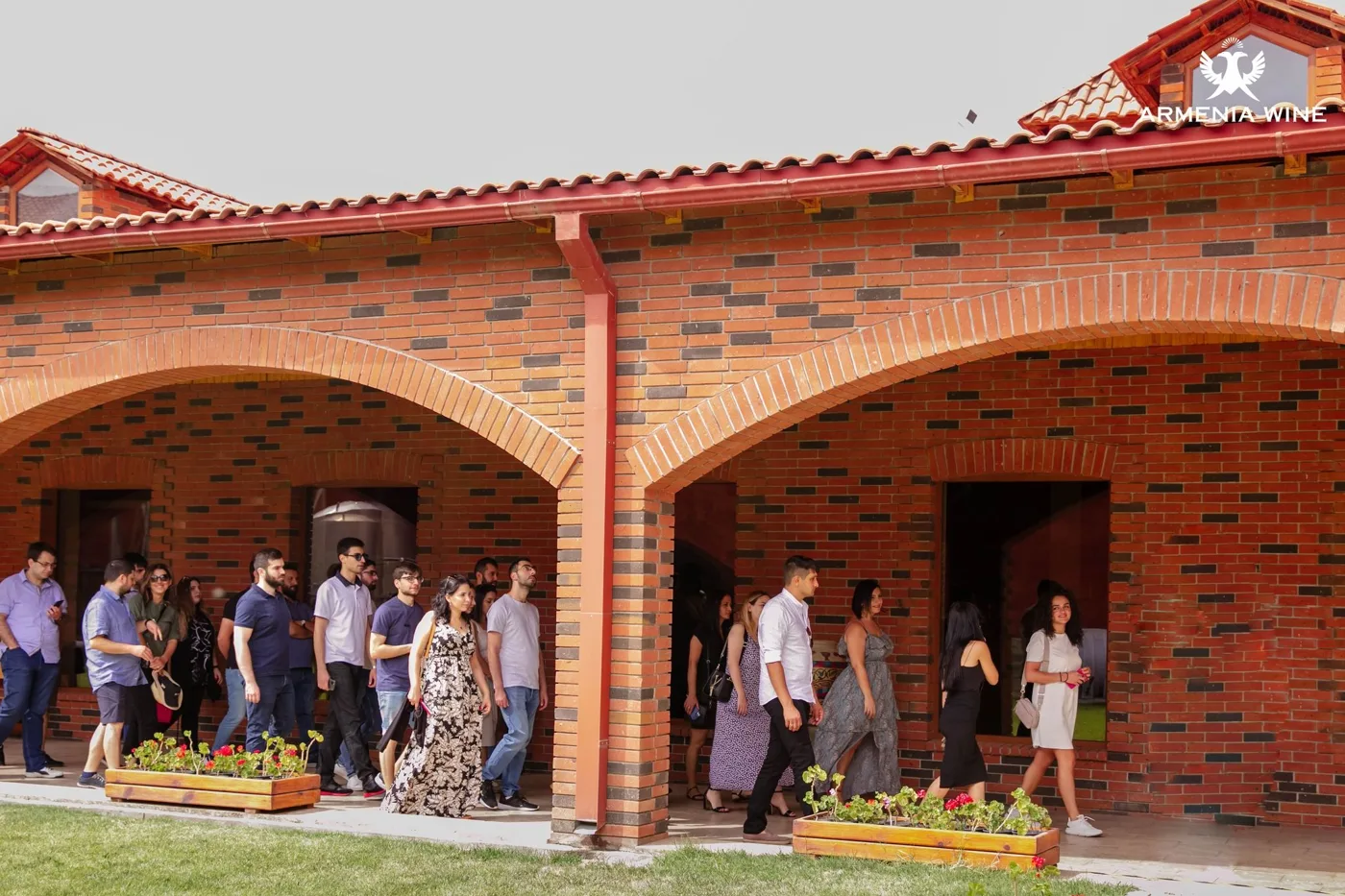
Armenia Wine Winery
The Armenia Wine complex introduces contemporary Armenian winemaking. It also houses a wine-history museum with its own visiting programme. Winery tours, museum admission and tastings are arranged separately according to the chosen package. Visit the Armenia Wine winery by prior arrangement. Tours, museum entry and tastings are included only when separately confirmed.
30
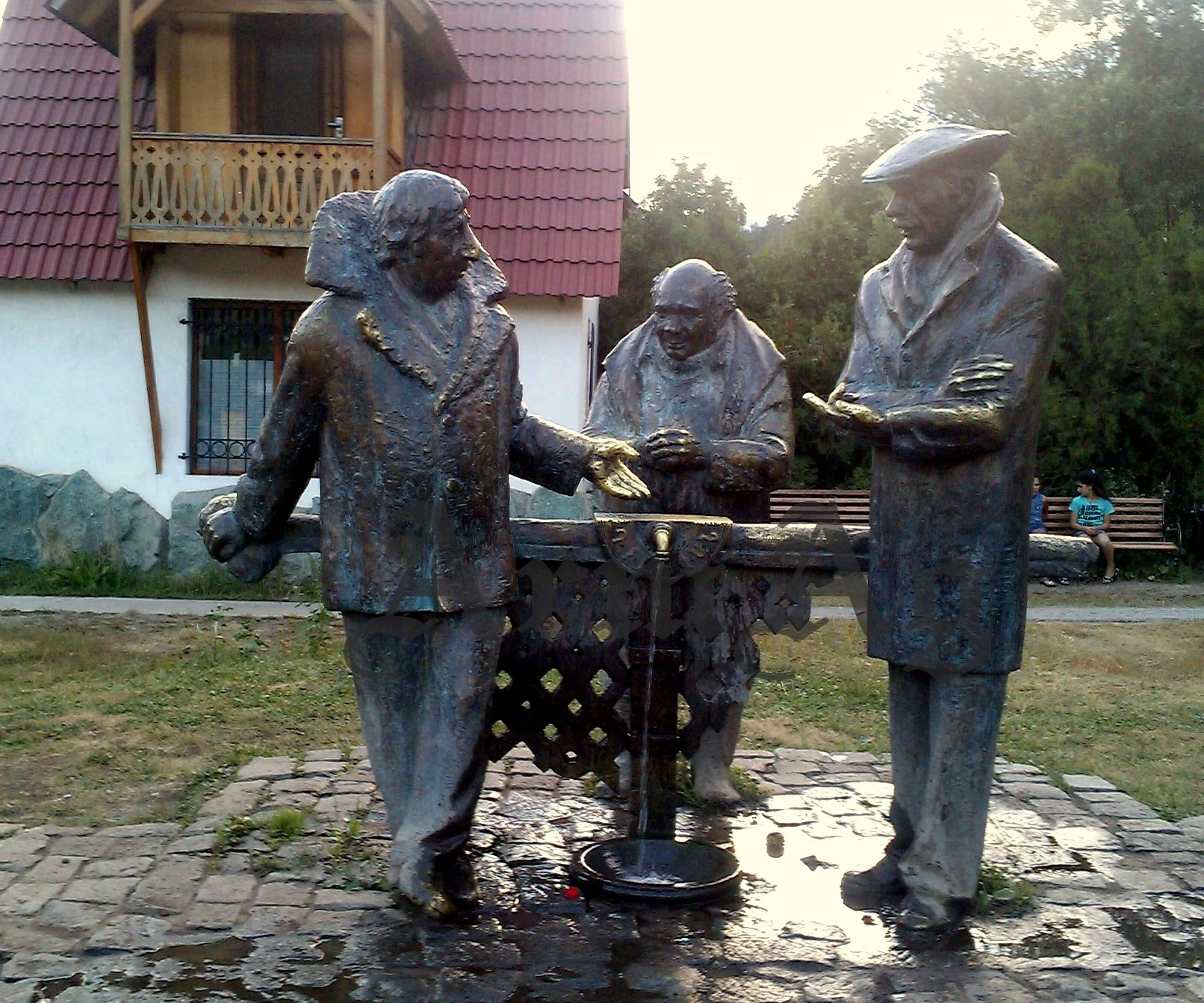
Mimino Monument
Dilijan’s Mimino Monument celebrates the three main characters of the film of the same name. The sculptures depict the characters played by Frunzik Mkrtchyan, Vakhtang Kikabidze and Yevgeny Leonov. This recognisable photo stop connects the town with the film’s famous dialogue about Dilijan. There is time to view the sculptures and take photographs.
31
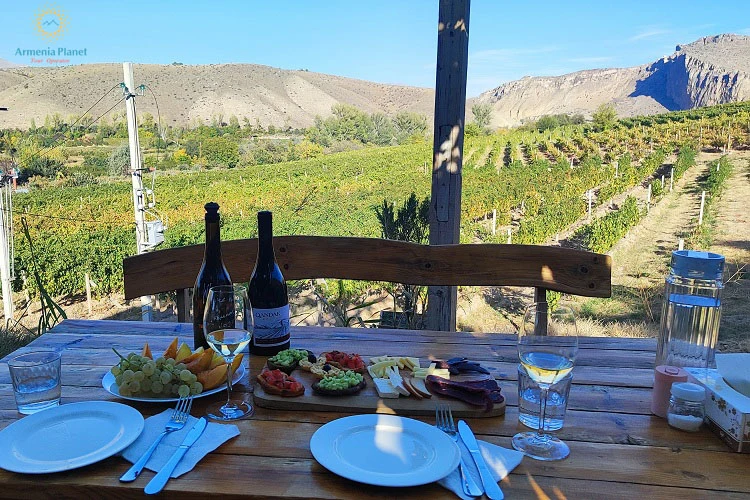
Momik Winery
Momik is a family-run wine destination in Areni, with vineyards and the WineCube tasting space. A visit introduces Vayots Dzor’s winemaking traditions and wines made from local grapes. The name honours the medieval architect and sculptor Momik. The visit and tasting format are agreed in advance: the custom-tour calculation includes transport, while the tasting cost is confirmed separately.
32
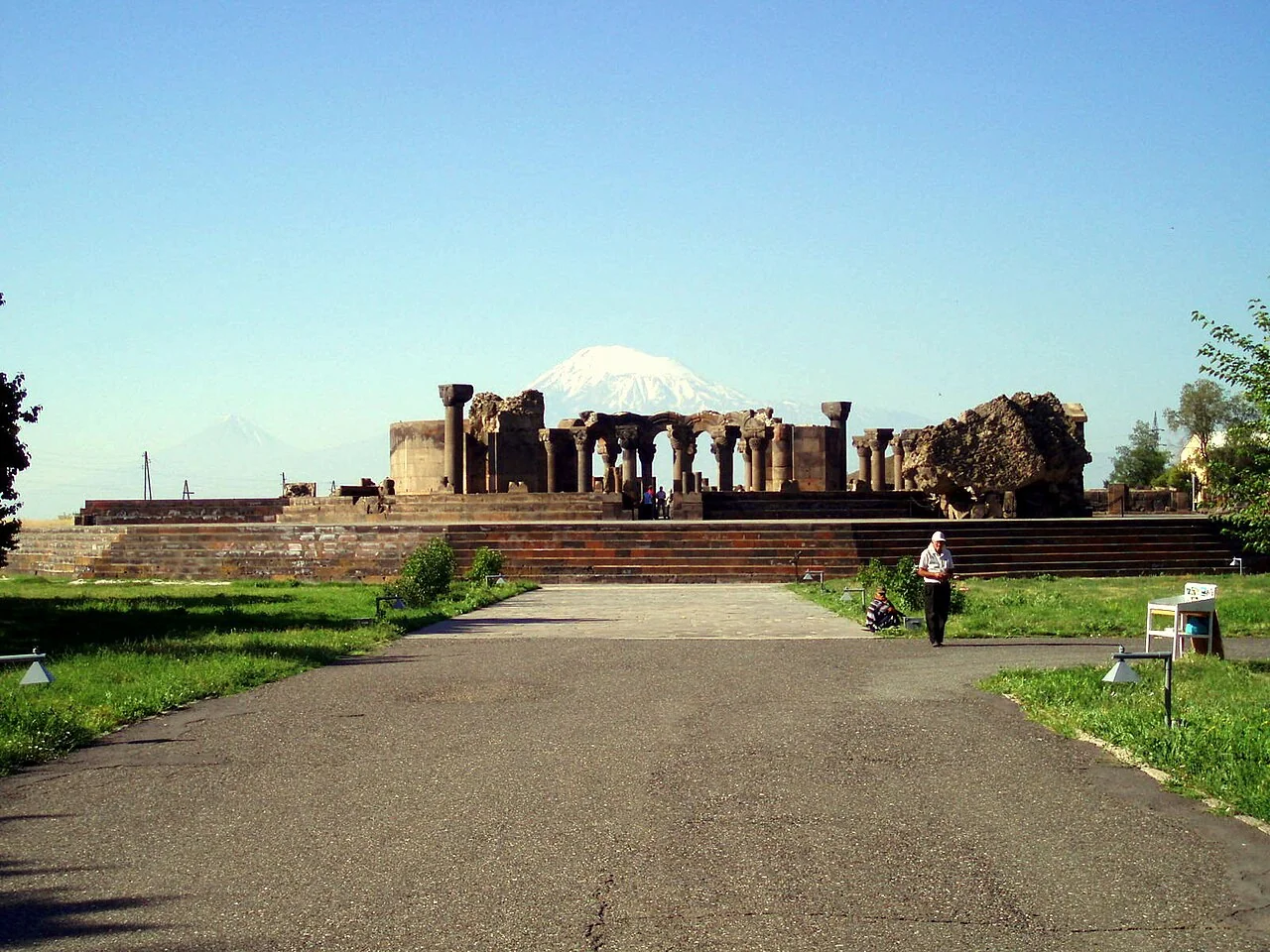
Zvartnots
Zvartnots is the archaeological site of an early medieval cathedral, preserving columns and architectural fragments. These help visitors imagine its exceptional circular design. Exploration is outdoors, with museum visits and admission arrangements agreed beforehand. Explore the ruins of Zvartnots, its surviving columns and architectural remains. Museum admission is additional unless stated in your package.